
Car Insurance for Long Commutes
You put serious miles on your car getting to work, and that changes what you need from a policy and what you should expect to pay.
Free to compare
Your mileage is now part of your risk profile
Insurers price a policy partly on how much you drive, because more time on the road means more exposure to a claim. A long commute, especially one that crosses state lines or spends a lot of time on highways, moves you into a different bracket than someone who drives a few miles a week.
This matters now because the moment your drive got longer, your policy may have quietly become mismatched to your actual driving. The coverage and rate that made sense for a short commute may not fit anymore.
It also means breakdowns and accidents are more likely to happen far from home, which changes which coverages are worth having, not just how much you pay for them.
Mileage is only one piece of what sets your rate
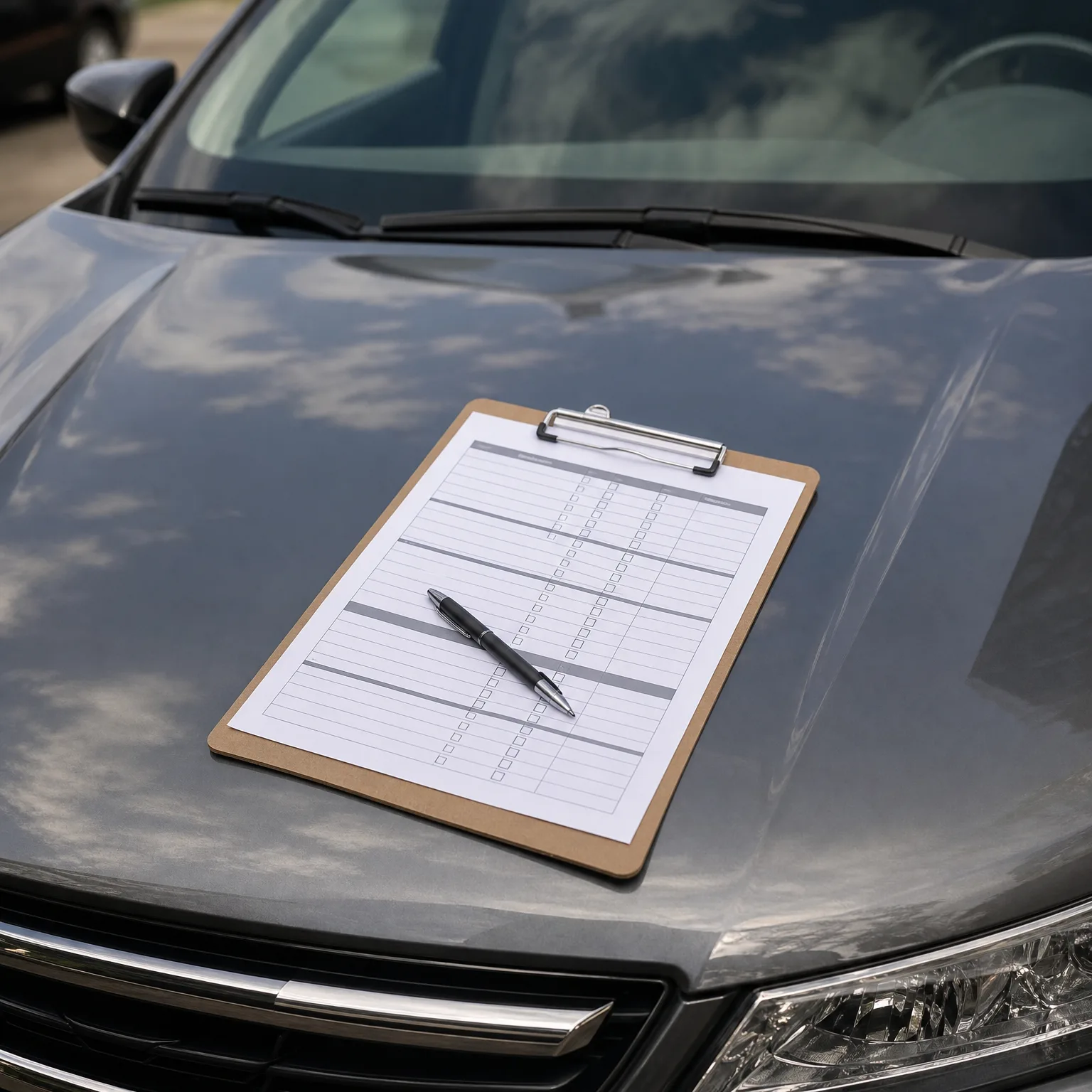
Annual mileage and commute distance matter, but insurers also weigh your vehicle, your driving record, where you live and park, and the coverage and deductibles you choose. Some of this you can't change quickly. Some of it you can.
You usually can influence your deductible, the coverage limits you carry, and sometimes how your mileage is reported if your situation changes, like shifting to remote work some days or carpooling. Small, honest adjustments here often move the rate more than people expect.
How heavily any one factor is weighted varies by insurer and by state, so it's worth checking how a given company treats mileage and commute distance specifically rather than assuming it works the same everywhere.
Where long commuters pay for coverage they don't need, or skip coverage they do
A common mistake is reporting outdated mileage, often from years ago, which can either overstate or understate your actual driving and skew your rate. Keeping your estimated annual mileage current is worth doing on its own.
Another is treating roadside assistance and rental or replacement transportation as optional extras. For someone who depends on a car to get to work every day, being stranded or carless for even a short stretch is a real cost, not a minor inconvenience.
People also sometimes assume carpooling, part-time remote work, or multiple drivers on one car don't affect pricing. They often do, and mentioning them accurately can work in your favor instead of against you.
Now that you know what drives your rate, compare quotes with your real mileage and commute in mind.
Articles
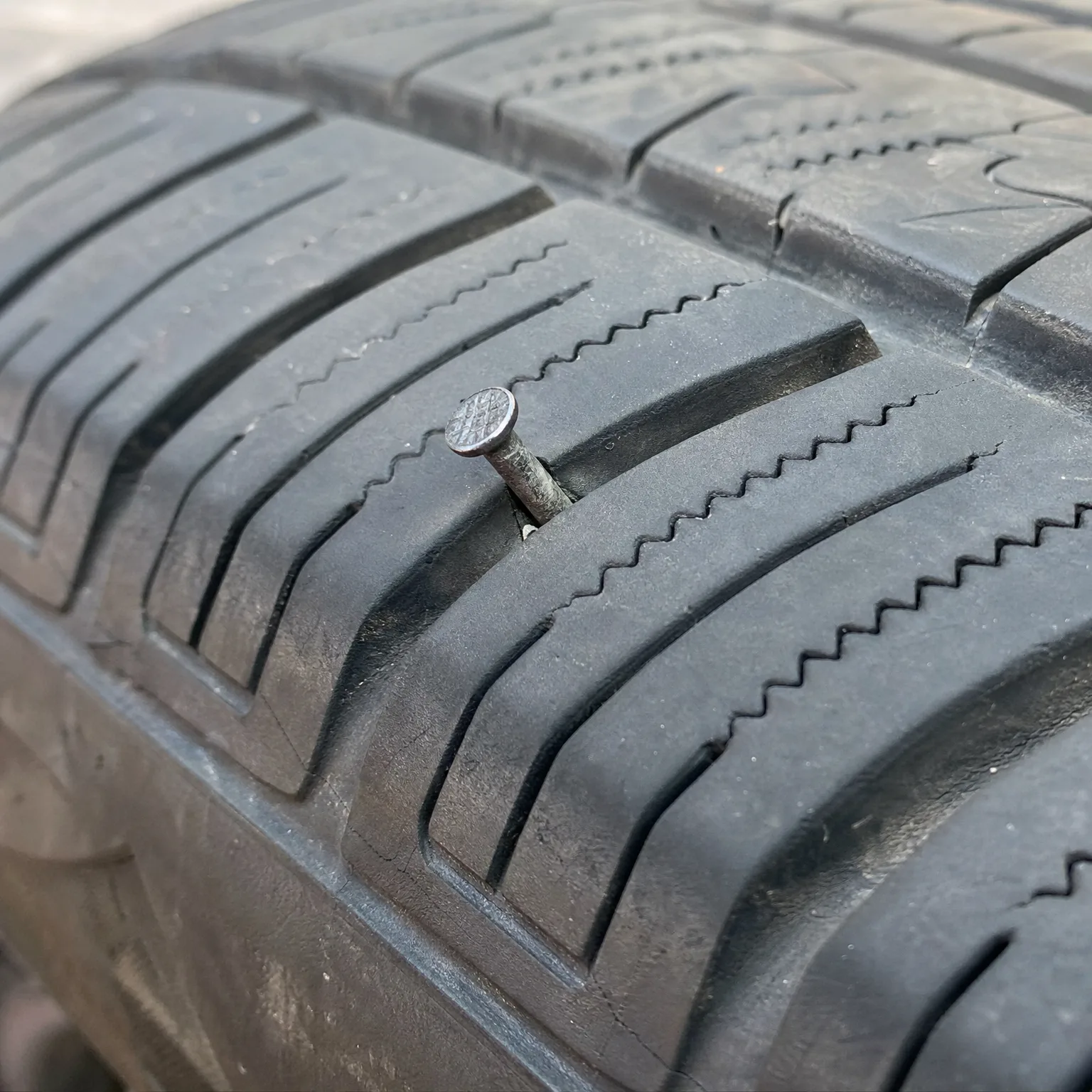 Rental Coverage When Your Car Is in the Shop
 Parking Near Work and Car Damage
 Highway Driving and Accident Risk