Are Hybrids Safe in a Crash
Hybrids are just as safe in a crash as comparable gas cars, and in many cases safer, thanks to added weight and standard safety features.
The battery and motor make them heavier, not weaker
A hybrid carries a gas engine, a battery pack, and an electric motor, so it weighs more than the same car without that system. More weight generally means more mass to absorb a crash before it reaches the people inside. That's part of why many hybrid versions of a car test as well as or better than their gas-only twin.
Automakers also know a hybrid is a halo product, something buyers compare closely to a gas trim before deciding. So they tend to load hybrids with the same or better structural reinforcement, airbags, and driver assistance features. None of this is automatic, but it's a pattern across most manufacturers.
The real variable isn't the hybrid system, it's the vehicle itself. A heavier hybrid SUV built on a strong frame will protect you differently than a small hybrid hatchback. Size, structure, and crash test ratings still matter more than whether the engine is electric, gas, or both.
Where it gets different is battery placement and fire response. Some hybrids place the battery low and centered for stability, others don't, and emergency responders sometimes need specific training for hybrid or electric fires. Check the crash test rating and specific model history rather than assuming all hybrids behave the same.
What actually determines how safe your hybrid is
- Crash test rating Look up the specific model and year, not just 'hybrids' as a category. Ratings vary by trim and generation, so check the exact one you're driving or considering.
- Vehicle size and weight A heavier, larger hybrid generally protects occupants better than a small one. Compare it to similar-sized gas vehicles, not to hybrids in general.
- Battery location and fire risk Know where the battery sits and whether the model has reported fire issues after collisions. This affects both your safety and how a shop or responder handles the vehicle.
- Standard safety features Check if automatic braking, lane assist, and airbags are standard or optional on your trim. These features often do more for crash outcomes than the hybrid system itself.
- Repair and claims history Hybrid parts can take longer to source and repair after a crash. Ask your insurer how that affects rental coverage or claim timelines before you need it.

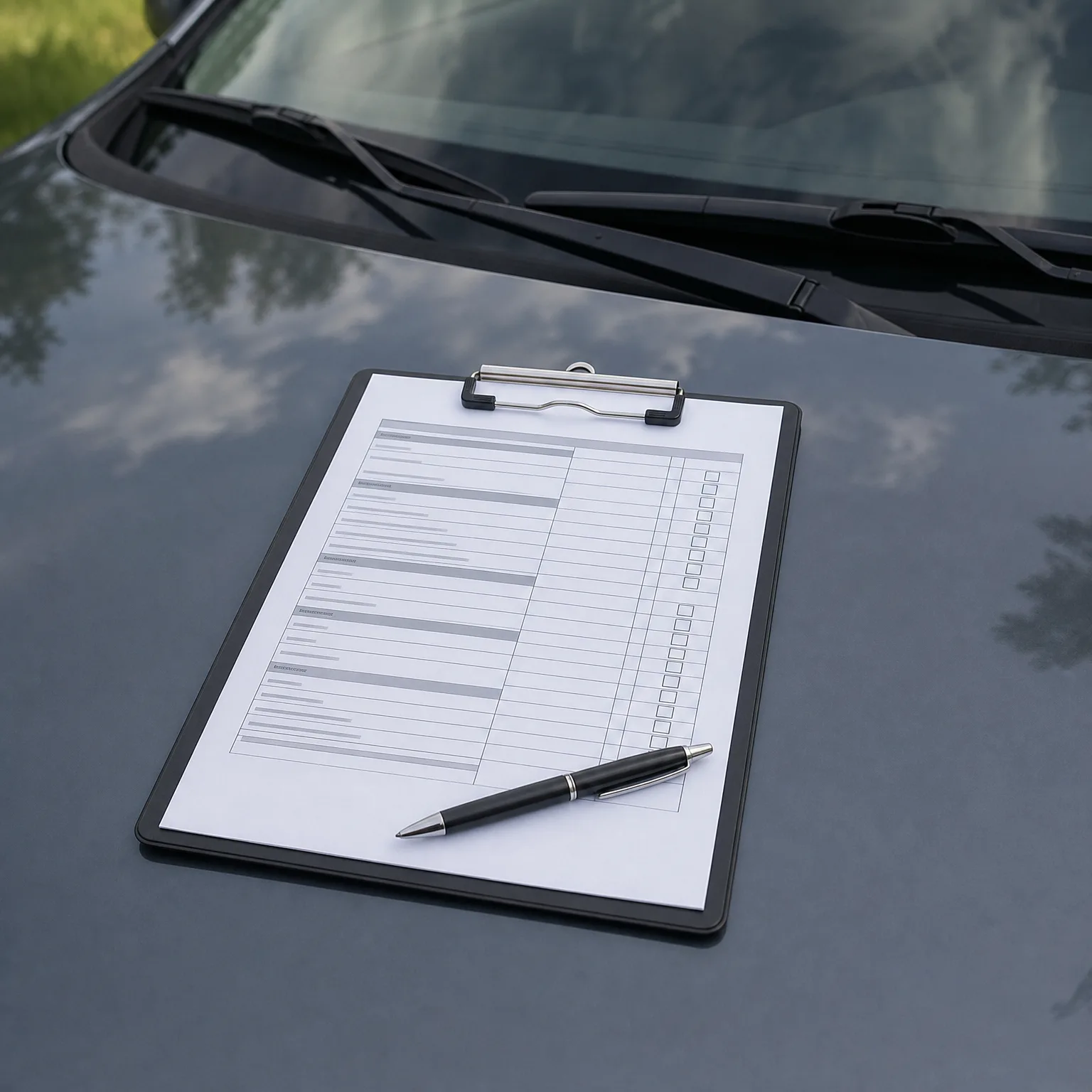
Checking the actual crash rating before you decide
If you do
You pull up the specific model and year's crash test results and compare them to a similar gas vehicle. You see how it performed in different impact types, note any battery fire history, and confirm which safety features come standard. You choose or keep the car with real information instead of a guess.
If you don't
You assume all hybrids are either safer or riskier because of the battery, without checking the actual model. You might end up comparing the wrong things, like battery technology instead of vehicle weight and crash structure. You find out the real story only after a crash, when it's too late to choose differently.
Now that you know how your hybrid performs in a crash, compare quotes to see what that safety record is worth.
A driver cross-shopping a hybrid SUV against its gas twin
A driver was deciding between the hybrid and gas versions of the same midsize SUV, worried the battery pack made the hybrid riskier in a crash. She looked up crash test ratings for both trims from the same year and found they were nearly identical, with the hybrid actually scoring slightly better on side impact due to added weight from the battery mounted low in the floor.
She also checked how local body shops handled hybrid repairs and found one had experience with that specific battery placement, which mattered for repair time after a future claim. She bought the hybrid, feeling confident the safety tradeoff she'd worried about wasn't really there, and later mentioned the crash rating to her insurer when comparing quotes, since a couple of insurers treated the strong safety rating as a factor in her price.

Does a hybrid cost more to insure than a gas car?
It can, but not because it's less safe. Hybrids often cost more to repair after a crash because parts, especially the battery and motor components, can be pricier and harder to source. That repair cost, not crash safety, is usually what shows up in your rate.
Some insurers offset this with discounts for safety features or lower emissions, so the difference isn't universal. Check quotes for your specific model against a comparable gas version rather than assuming hybrids always cost more. The safety rating itself tends to help, even if parts costs push the other way.