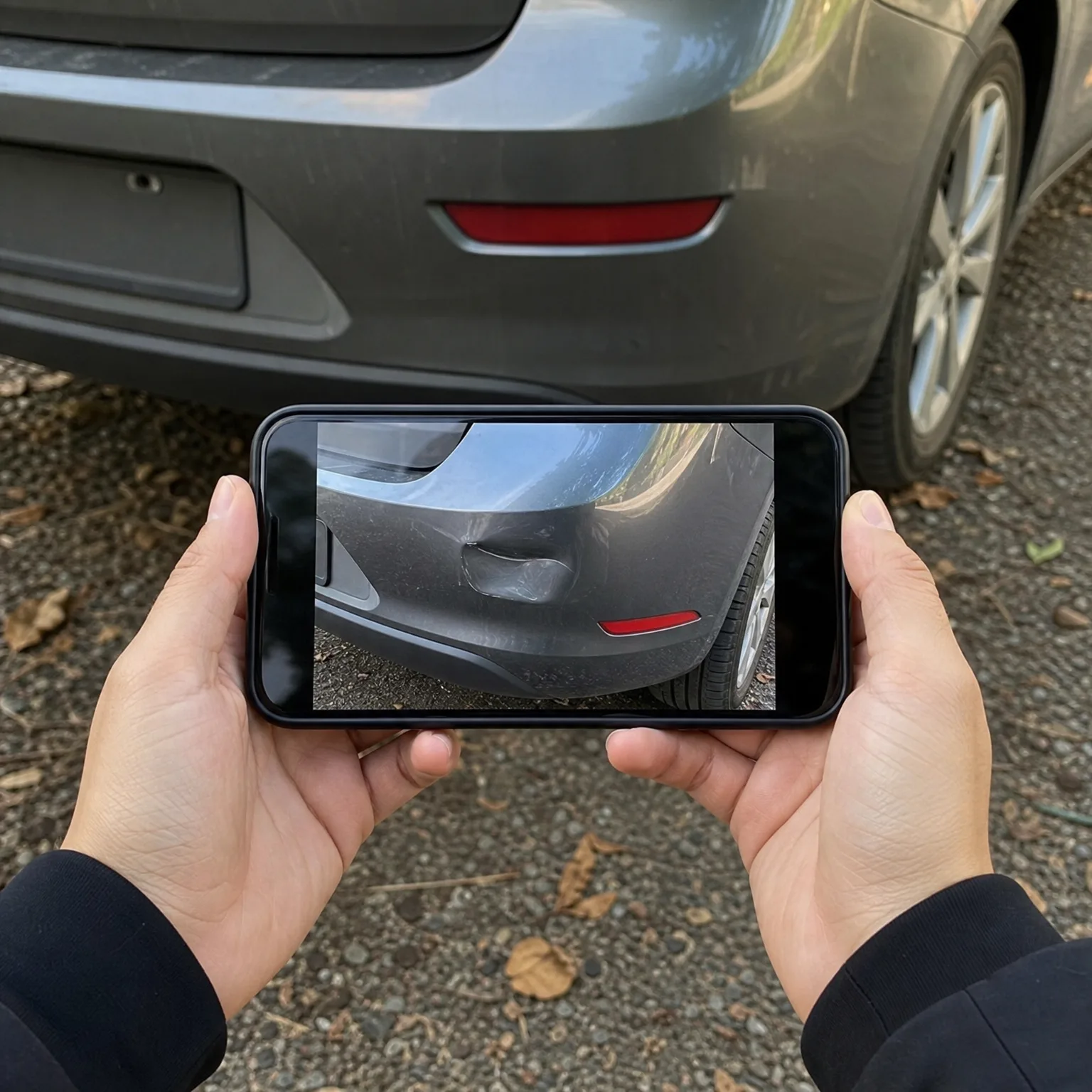
Does a Longer Commute Mean a Higher Premium
Yes, a longer commute raises your premium, because insurers price risk by time on the road, and more miles means more exposure.
More time on the road means more risk, and that's what gets priced
Insurers build your rate around how often your car is exposed to risk. A car driven an hour each way, especially on highways or across state lines, spends far more time in traffic than one making short local trips. That extra time is extra chances for something to go wrong, and the rate reflects it.
This is why the application asks about your commute distance or your annual mileage, sometimes both. Some insurers weigh the commute question heavily, treating a long daily drive almost like a second job for your car. Others lean more on your total annual mileage, so a long commute matters less if you don't drive much otherwise, maybe you carpool some days or work from home part of the week. Check how your insurer actually asks the question, because the wording tells you what they're pricing.
What counts as long also varies. In a dense state with heavy traffic, your commute might be average. In a rural state, the same drive could stand out as unusually long. Ask your insurer or agent how your specific route and distance compare to what they consider typical, since that's what actually moves your rate.
The exceptions matter too. If you mostly drive highway miles at steady speed rather than stop-and-go city traffic, some insurers price that more favorably. And if your mileage is seasonal or irregular, say you commute heavily some months and barely at all in others, ask whether your insurer can average that instead of pricing you for your worst month.
A driver who switched jobs and added forty miles each way
A driver took a new job across the state line, turning a fifteen-minute commute into a seventy-minute one each way, mostly highway. When the policy renewed, the rate went up, and the driver called the insurer to understand why. The agent explained that the mileage question on the application had jumped from under ten thousand miles a year to well over twenty thousand, and that alone moved the pricing tier.
The driver asked what could bring the cost back down. The agent suggested raising the deductible slightly since highway driving tends to mean fewer small claims, and checking whether the insurer offered any discount for mostly highway miles versus city stop-and-go. The driver also mentioned carpooling two days a week with a coworker, which lowered the effective annual mileage enough to matter. The new rate came in lower than the first renewal quote, not back to the old number, but close enough that the driver felt the commute was accounted for fairly.

Now that you know how your commute factors into your rate, compare quotes to see what it actually costs you.

Should you report your real mileage and commute distance
If you do
Your rate reflects your actual risk, which means fewer surprises later. If you ever file a claim, the insurer already has accurate mileage on file, so there's no question about whether you misstated your driving. It may cost more upfront, but it holds up when it matters most.
If you don't
Underreporting your commute can lower your quote now, but it puts your coverage at risk. If you file a claim and the insurer discovers your real mileage was much higher, they can delay payment, reduce it, or deny the claim entirely for misrepresentation. The short-term saving isn't worth that exposure.
Can you lower the cost of a long commute without changing jobs?
Yes, in several ways that don't touch your job or your drive itself. Raising your deductible lowers your premium in exchange for paying more out of pocket if you do file a claim, which can make sense if your commute is mostly steady highway driving with lower claim risk. Carpooling, even a couple of days a week, can lower your reported annual mileage enough to matter, so mention it to your insurer rather than assuming it's irrelevant.
It's also worth asking directly whether your insurer prices highway miles differently from city miles, since stop-and-go traffic carries more claim risk per mile than steady highway speed. And ask about coverage that matters more for high-mileage driving, like roadside assistance or rental reimbursement, since a breakdown far from home or a car in the shop for days hits you harder when you depend on it for a long commute. These adjustments won't erase the effect of your mileage, but they can meaningfully soften it.
Your commute is the main thing being priced, so report it accurately and shop around it instead of guessing.