Rental Reimbursement vs Rental Coverage
They're the same coverage, usually called rental reimbursement, and it pays for a car while yours is in the shop after a covered claim.
What to check before you count on it for your commute
- Only applies after a claim Rental coverage doesn't help if your car breaks down from normal wear. It only kicks in after an accident or other claim covered by your policy, so it won't cover every shop visit a high-mileage car needs.
- Daily cap and total cap Your policy pays a set amount per day up to a set total. For someone driving long highway miles daily, check that the daily amount actually covers a comparable rental, not just a compact car.
- Days matter more than miles The cap is about days, not miles driven in the rental. A long repair after a bad accident could run past your coverage limit, leaving you to pay out of pocket for the rest.
- It's an add-on, not automatic This coverage usually has to be added separately and often requires you to also carry collision and comprehensive. Confirm it's actually on your policy rather than assumed.
- Rideshare may be an option A few insurers will reimburse rideshare or transit costs instead of a rental, which can matter if you commute across state lines and rental pickup is inconvenient. Ask specifically if that option exists.
A long commute, a bad accident, and a slow repair
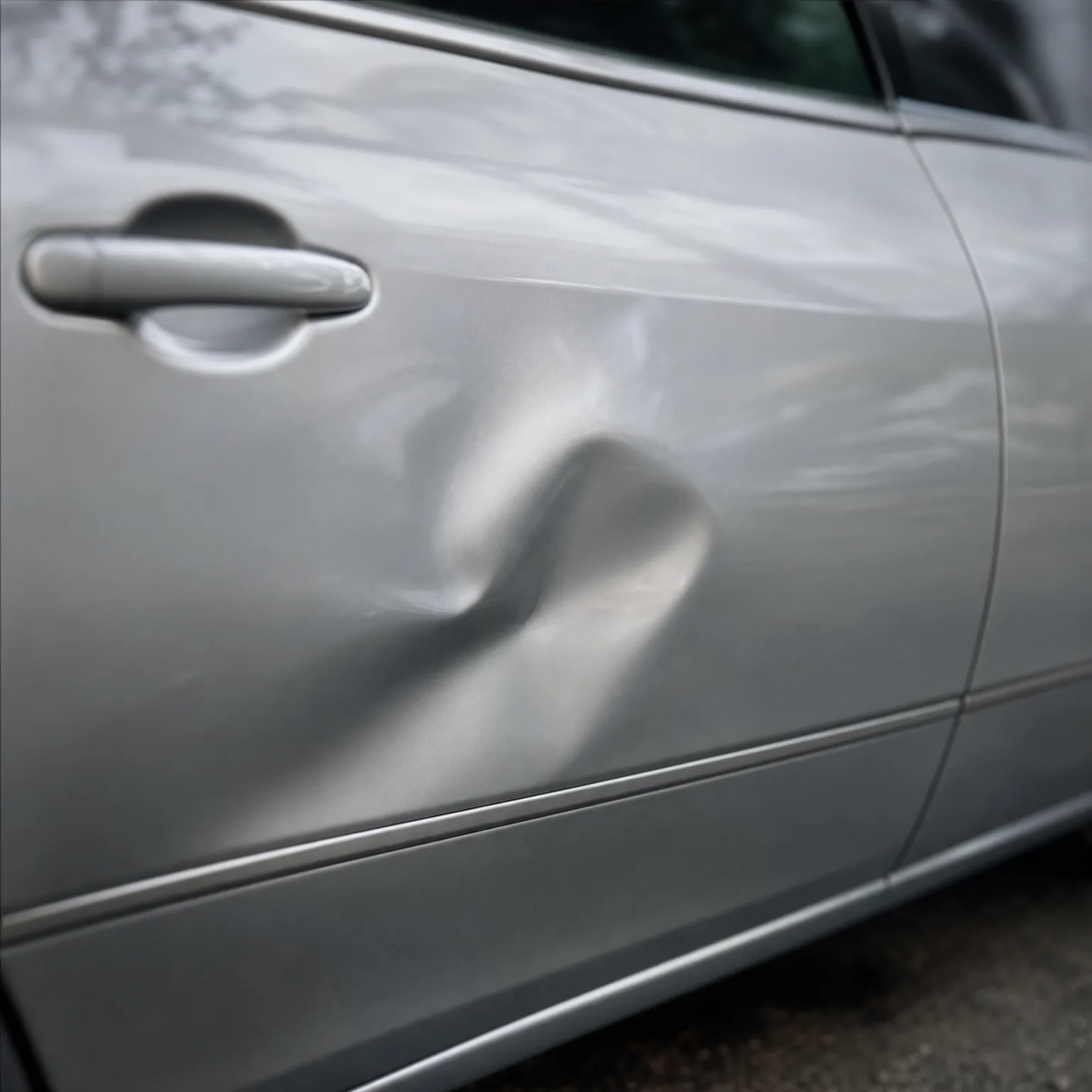
Say you drive forty-five minutes each way to a job across the state line, and someone rear-ends you on the highway. The car needs a new bumper, a sensor recalibration, and new fenders, parts that take time to source. You file a claim, and because you carry rental reimbursement, the insurer sets you up with a rental car within a day so you can keep getting to work.
The repair ends up taking longer than expected because the parts are backordered. Your rental coverage has a daily limit and a total cap, and around day twelve you hit that cap while the shop is still waiting on parts. You call your insurer, who confirms the limit and suggests calling the shop to push for a loaner or a rental discount while you wait. You end up paying for a few extra days yourself, but because you'd checked your cap ahead of time, it wasn't a surprise. Next renewal, you raise the daily limit so a long repair doesn't leave the same gap again.

Compare quotes with rental coverage limits that actually match how far and how often you drive.
Is rental reimbursement worth it for someone with a long commute?
Usually yes, because a long commute means a repair shop isn't a minor inconvenience, it's a missed paycheck or a borrowed car from someone who also has somewhere to be. The cost of adding this coverage is small compared to what you'd pay out of pocket for a week or two of rentals.
The case where it's less clear is if you already have a reliable backup, a second car in the household, a partner who can share, or public transit that actually works for your route. If none of those exist, rental coverage is one of the cheaper ways to protect a commute that depends entirely on one car running.
Why this coverage is capped instead of open-ended
Insurers cap rental coverage by day and by total amount because the point isn't to cover every possible scenario, it's to bridge a repair. They're pricing it as a short-term fix, not an open-ended replacement car, so the limits are built around typical repair times, not around how far you personally drive.
That's also why mileage doesn't factor into the cap directly. The insurer doesn't care how many miles you put on the rental, only how many days you have it. This matters for a long commute because your risk isn't really about distance, it's about repair time. A quick, simple repair costs the insurer the same whether your daily drive is short or long, since the clock is running on calendar days, not odometer numbers.
Where it gets more complicated is when the accident is severe enough to total the car, or when parts are delayed, both of which are more common with newer vehicles or less common models. In those cases the repair timeline stretches past what the coverage was built for, and that gap is yours to plan around, either with a higher daily limit or a plan for a backup ride.
State rules can also affect what's required to even offer this coverage, and some states have different standards for how claims and rentals are handled during disputes over fault. Check your state's rules and your policy's specific terms rather than assuming the cap works the same everywhere.
Does rental reimbursement cover a rental if my car just breaks down?
No, rental reimbursement only applies after a covered claim, like an accident, theft, or weather damage, not ordinary mechanical breakdowns. For a car racking up heavy highway miles, that's an important gap. If you're worried about breakdowns from wear rather than accidents, look into roadside assistance or a mechanical breakdown add-on instead, since rental reimbursement won't help there.
Can I use rental reimbursement for a rideshare instead of a rental car?
Sometimes, but it depends on your insurer and your specific policy. Some companies will reimburse rideshare or transit costs in place of a traditional rental, which can be useful if you commute across state lines and pickup logistics are a hassle. Ask your insurer directly whether this flexibility exists before you assume it does, since it isn't standard everywhere.
What happens if my repair takes longer than my rental coverage lasts?
You'll pay out of pocket for any days beyond your policy's total cap, so a long repair can leave a real gap. This is more likely with newer cars, less common models, or anytime parts are backordered. If your commute depends heavily on having a car, consider raising your daily or total limit so a slow repair doesn't leave you stranded without one.