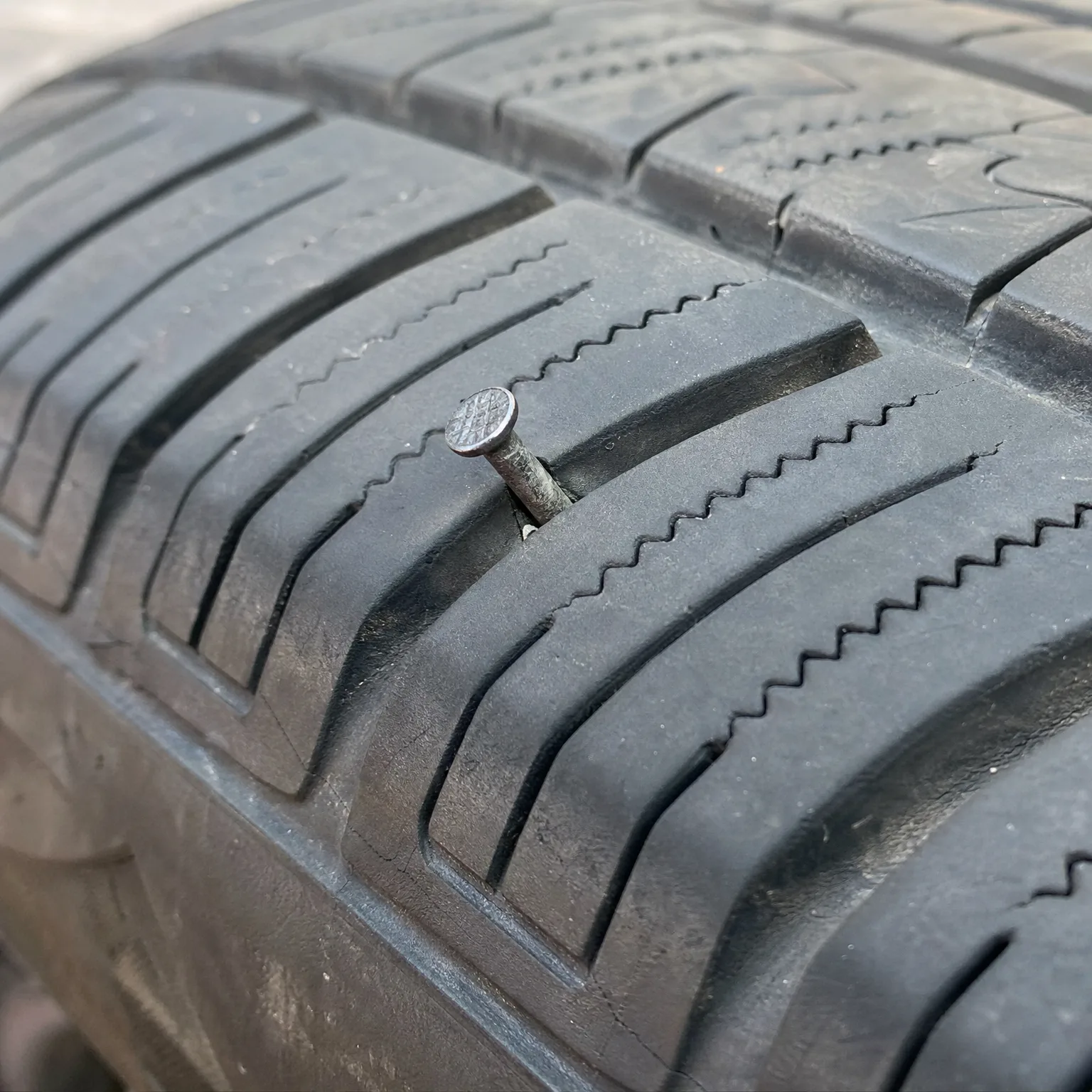
Wear and Tear From High Mileage
High mileage wears your car down faster, so your coverage should match the extra hours you spend on the road, not just the miles.
Your risk comes from hours on the road, not just the odometer
Insurers price risk partly on exposure, meaning how much time your car spends moving and how much of that is on fast-moving highways versus slow neighborhood streets. A long commute means more hours exposed to other drivers, more wear on brakes, tires, belts, and fluids, and a higher chance something fails while you're far from home. That's why heavy commuters often see higher rates even with a clean driving record, because the math is about opportunity for something to go wrong, not just skill behind the wheel.
Wear and tear itself is never covered by insurance. Insurance responds to sudden, accidental events like collisions or a tree falling on your car. A worn-out serpentine belt or tires bald from highway miles are maintenance problems, and no standard policy pays for routine upkeep or parts failing from age and use. This surprises people who assume broad coverage protects everything that goes wrong with the car.
What insurance can do is soften the consequences of that wear. Roadside assistance gets you off the shoulder when a belt snaps or a tire blows. Rental reimbursement covers a replacement car while yours is in the shop, which matters more to you than to someone who drives rarely, since a week without a car when you commute far is a real problem, not an inconvenience. These add-ons exist precisely for the pattern of driving you have.
How insurers actually calculate commute-based pricing varies by state and by company, and some ask for annual mileage while others track commute distance specifically. Check your policy details or ask directly how mileage factors into your rate, since the answer differs enough that assuming a national standard will mislead you.
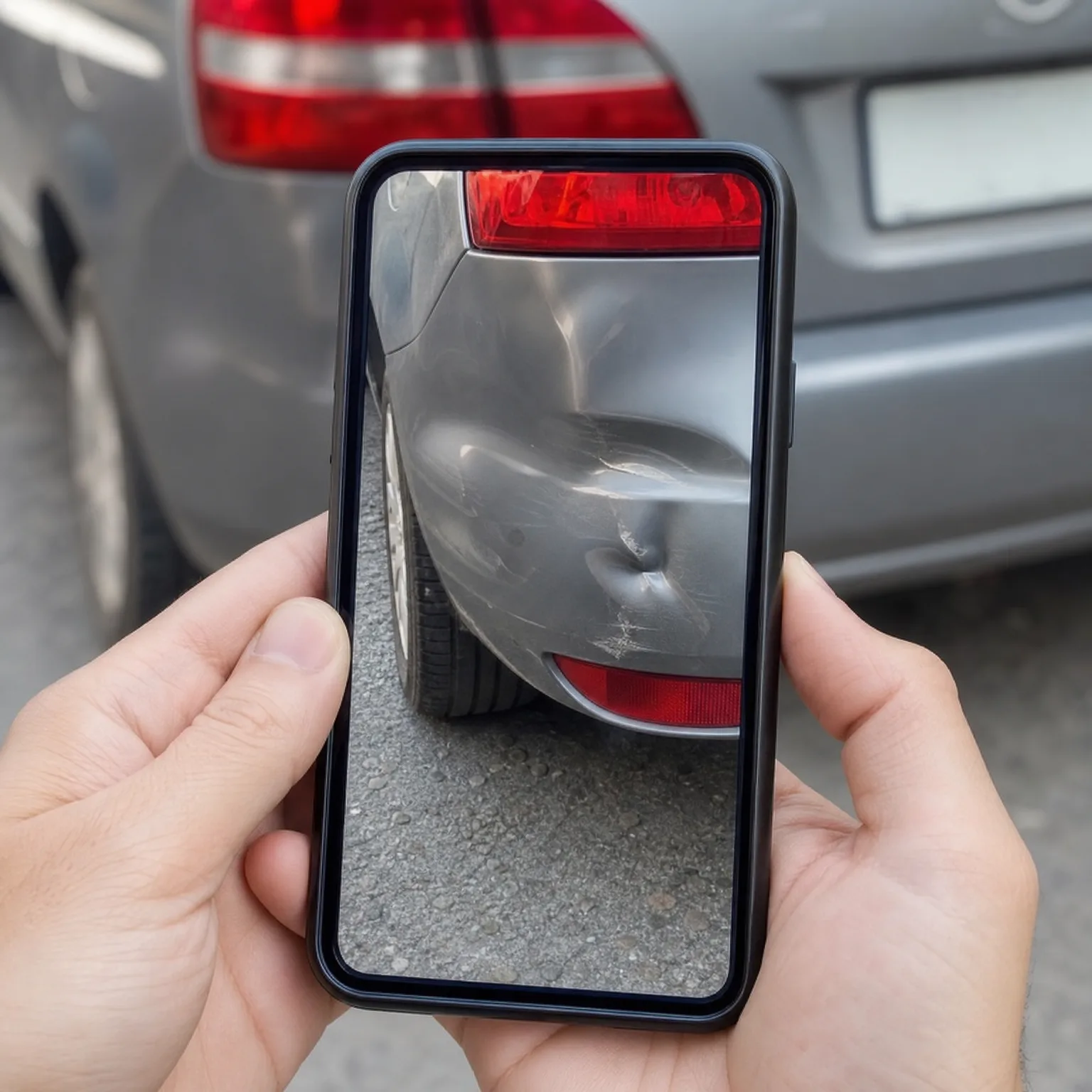
What to line up before your next renewal
- Report mileage accurately Guessing low to save money can backfire if a claim reveals your real mileage. Tell your insurer your honest annual mileage and commute distance so your policy reflects reality.
- Add roadside assistance A breakdown far from home costs more in time and stress than it does in money. This coverage gets you moving again without a separate tow bill or long wait for help.
- Get rental reimbursement Heavy commuters can't just skip driving for a week while the car is fixed. This pays for a replacement car so a shop delay doesn't cost you your job or your routine.
- Watch your maintenance schedule Tires, brakes, and fluids wear faster under heavy mileage and none of that is covered by insurance. Stay ahead of it so small wear doesn't turn into a breakdown or an accident.
- Ask how mileage is tracked Some insurers use estimated annual mileage, others ask more detailed commute questions. Find out which method applies to you so you know what to report and when to update it.
When the commute finally caught up with the car
Someone driving close to two hours round trip each day for a new job noticed their brakes felt softer than usual after about a year. They'd reported their mileage honestly when they switched jobs, so their policy already reflected the heavier use, and they'd added roadside assistance at the same time since their old plan didn't include it. When the brakes started grinding on the highway one evening, they pulled off safely and called for a tow instead of trying to limp home.
The repair itself wasn't covered, because worn brake pads are wear and tear, not an accident. But the tow was free under their roadside plan, and a rental car covered under their reimbursement coverage got them to work the next three days while the shop finished the job. They ended up paying for parts and labor, which they expected, but nothing extra for the tow, the wait, or the time without a car. Because they'd flagged their real driving pattern to their insurer up front, their coverage matched what they actually needed instead of leaving the gaps a lighter commuter might never notice.
Compare quotes now that you know which coverages actually protect a long commute.

Reporting your real mileage to your insurer
If you do
Your rate reflects your actual risk, which may raise it slightly but keeps your policy accurate. If you ever file a claim, there's no dispute over mismatched mileage. You can also ask about coverages suited to commuters, like rental reimbursement, since the insurer understands your driving pattern.
If you don't
Underreporting may lower your premium slightly now, but it creates risk later. If a claim investigation reveals your real mileage was higher, the insurer may question the claim or adjust your policy retroactively. You could end up paying out of pocket for something you assumed was covered, right when you need help most.
Does high mileage void my car insurance coverage?
No, high mileage alone never voids coverage. What matters is reporting your mileage accurately when asked, since misrepresenting it can cause problems at claim time. Check your policy for how often you're expected to update your mileage, since some insurers want annual confirmation and others only ask at renewal or when you first apply.
Will extended warranties cover wear and tear from commuting?
Sometimes, but check the specific contract since extended warranties vary widely by provider and plan. Some cover mechanical failure from normal wear, while others exclude it the same way insurance does. Read the exclusions closely, especially around brakes, tires, and belts, since these are the parts heavy commuters wear out fastest.
Should I get a different car if my commute is very long?
That depends on your current car's reliability and cost to maintain, not on insurance. A car known for holding up well under high mileage may cost less to insure and repair over time than one prone to frequent breakdowns. If repair costs are climbing and outpacing the car's value, that's a sign worth weighing against your commute's demands.