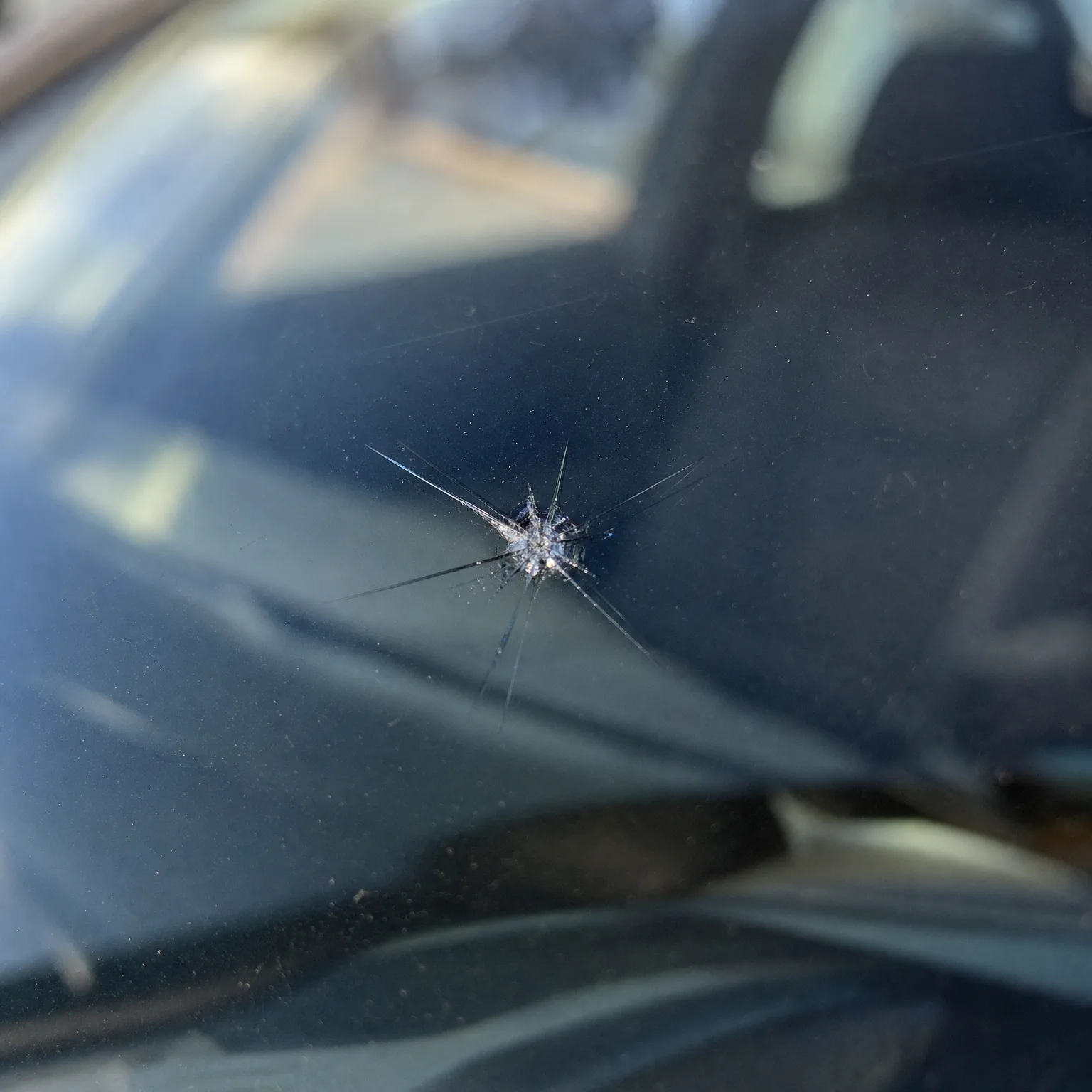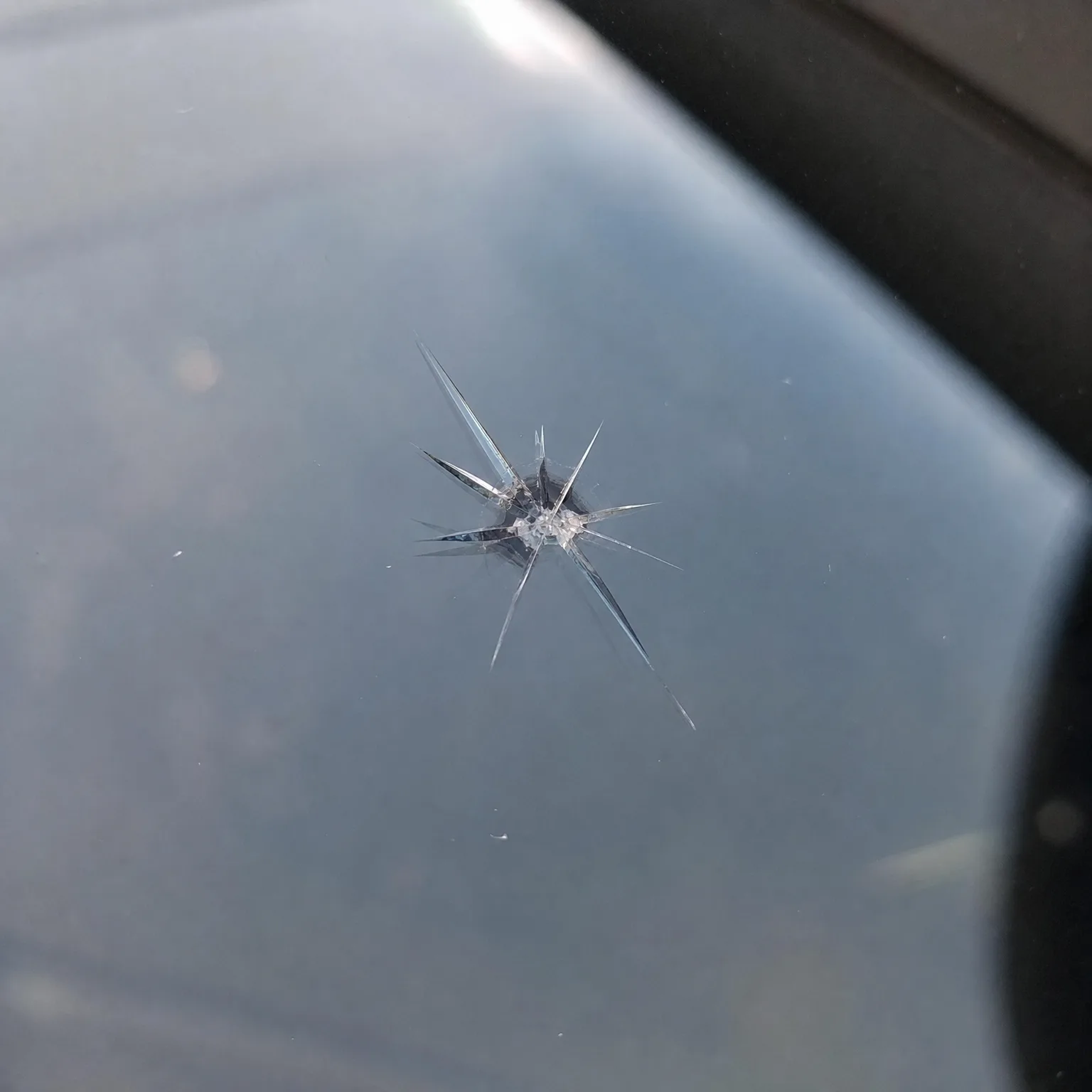
What Is the Lifespan of a Dashcam
Most dashcams last a few years of steady highway driving before heat, vibration, and constant recording wear them down.
Heat and nonstop recording wear a dashcam down faster than you'd think
A dashcam sits in the worst spot in your car for electronics. It bakes behind the windshield in direct sun, gets shaken by every pothole and highway seam, and runs constantly instead of only when you need it. For someone logging long hours on the road, that's a lot more heat cycles and vibration than the average driver puts their camera through in the same calendar time.
The part that fails first is almost always the storage. The memory card gets overwritten in a loop thousands of times, since the camera keeps recording and deleting old footage to make room for new. Cards are rated for a limited number of these write cycles, and heavy daily mileage burns through that rating much faster than occasional use. The camera body and lens often outlast the card itself.
Battery or capacitor is the other weak point. Dashcams use a small battery or capacitor to save the last few seconds of footage when power cuts out, and heat is what kills it. A car that sits in sun for a long commute, then runs the camera for hours of driving, puts that component through a harder cycle than a car that's garaged and driven locally.
Where you mount it and how you wire it also matters. A hardwired setup pulling power the whole time you're parked adds more hours of operation than one that only runs with the engine. None of this is fixed by insurers or regulation, it comes down to the hardware and how hard you run it, so the honest answer depends on your specific camera, mount, and climate.
How do you know when your dashcam is actually failing?
The clearest sign is footage that skips, freezes, or won't play back cleanly, especially right after an event you actually need it for. That usually means the memory card is wearing out, not the camera itself, and it's the most common failure point for high-mileage drivers.
Other signs include the camera not powering on reliably, the screen or indicator light acting erratic, or the mount losing grip so the camera shifts out of position. A camera that restarts itself mid-drive or loses the date and time after every parking stop is usually telling you its internal battery is going. Any of these mean it's time to check the card and settings before assuming the whole unit is dead, since a fresh card or a firmware update sometimes fixes what looks like hardware failure.

Replacing your dashcam on a schedule instead of waiting for it to fail
If you do
You replace the card on a regular basis and swap the whole unit every couple of years. Your footage stays reliable, so if you're ever in an incident far from home, you have clean video to back up your account instead of a corrupted file when you need it most.
If you don't
You keep running the same card and camera until something goes wrong. The risk is that failure shows up exactly when you need the footage, after a crash or dispute, and you discover the card was corrupted or the camera wasn't recording weeks before you noticed.
Now you know what keeps a dashcam reliable, so compare quotes and match your coverage to the miles you drive.
A commuter's dashcam that quietly stopped working for weeks
A driver with a long highway commute across state lines had used the same dashcam and memory card for a long stretch without issue. One afternoon another car merged into them on the highway, and they assumed the dashcam had it on film. When they checked that night, the footage from the past several weeks was corrupted, overwritten in broken chunks instead of clean clips.
The card had quietly failed weeks earlier from the sheer number of write cycles a daily long commute puts on it, and the camera had kept recording over bad data without any warning. They replaced the card immediately and set a reminder to swap it twice a year going forward, plus started checking playback every few weeks instead of assuming it was working. The next incident, a minor parking lot scrape months later, was caught cleanly, and the clear footage settled the claim in a single call.

A dashcam that's still mounted and powered on isn't the same as one that's actually recording usable footage.