What to Do if Your Car Is Broken Into
File a police report, document the damage, then call your insurer, since a break-in is usually covered under comprehensive, not liability.
Why the order of steps matters and what each one protects
A police report exists first because insurers and anyone else involved, like a landlord or employer if the break-in happened in a work lot, will ask for it. It's also the record that proves this was a break-in, which matters if you ever dispute how a claim was handled. Filing it costs you time, not money, and it's the step that protects everything after it.
Comprehensive coverage is what pays for a break-in, since it covers damage to your car from something other than a collision, theft included. If you carry only liability, which some drivers do on an older car, there's nothing to file a claim against and you pay for the repair yourself. This is worth knowing before anything happens, not after, especially if your car sits in different lots every day for work.
What's covered and how much you pay before insurance kicks in varies by insurer and by your policy, so check your own declarations page rather than assume. Some policies separate the car's damage, like a broken window, from what was stolen inside it, like a laptop or tools, and that second part may fall under a different policy entirely, such as renters or homeowners coverage. A long commute doesn't change any of this, but it does mean your car is exposed in more places, more often, so knowing what's covered before it happens saves you from guessing during a stressful moment.
A claim for a break-in is usually treated differently from an at-fault accident, since you didn't cause it. Whether it affects your rate at all depends on the insurer, so ask directly rather than assume the worst.
What to do, in order, right after you find the damage
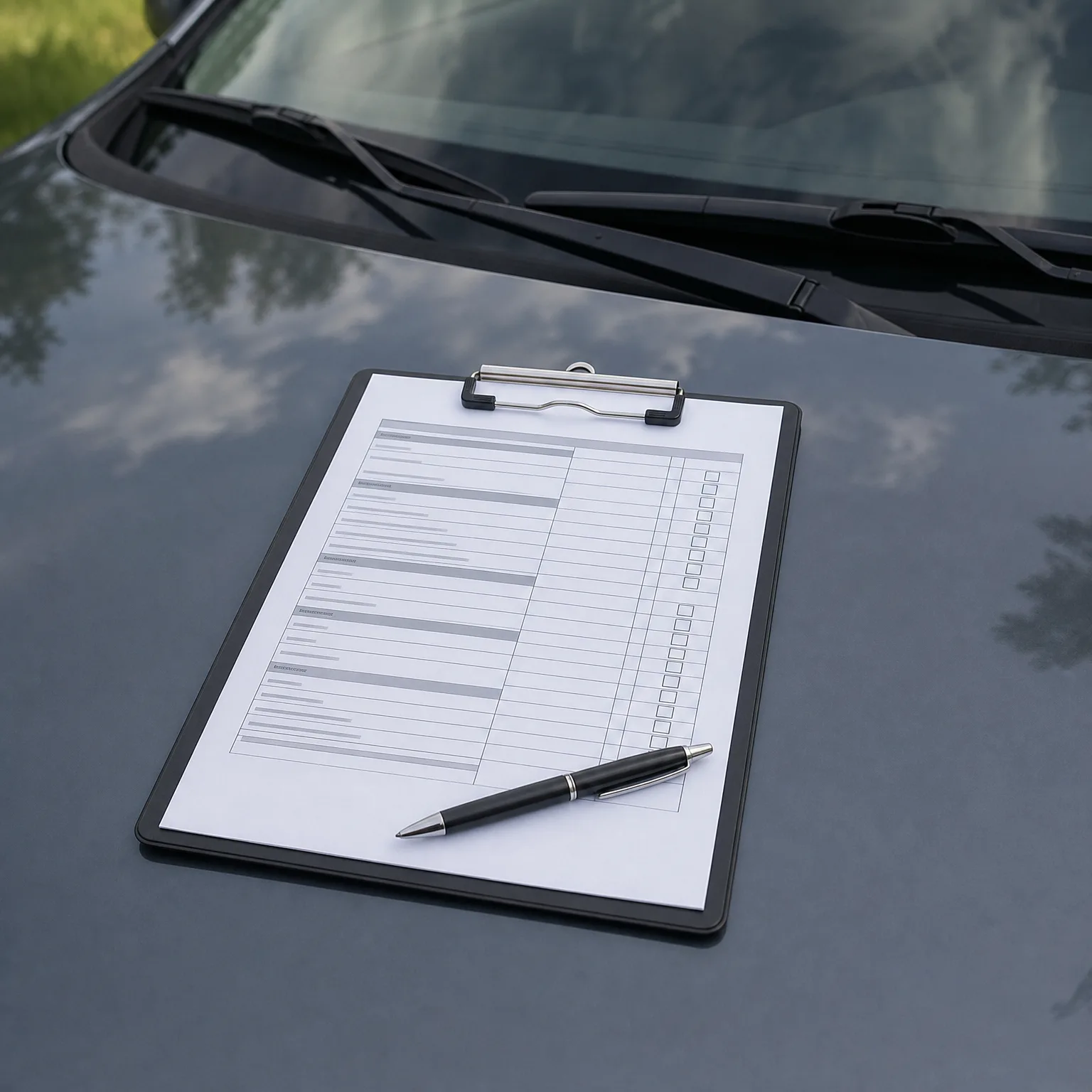
- Check for safety first Make sure whoever broke in isn't still nearby before you touch anything. If you're at a rest stop or unfamiliar lot on your commute, move somewhere lit and populated before you do anything else.
- File a police report Call the non-emergency line and get a report number, even if nothing visible was taken. This is the document your insurer will ask for first.
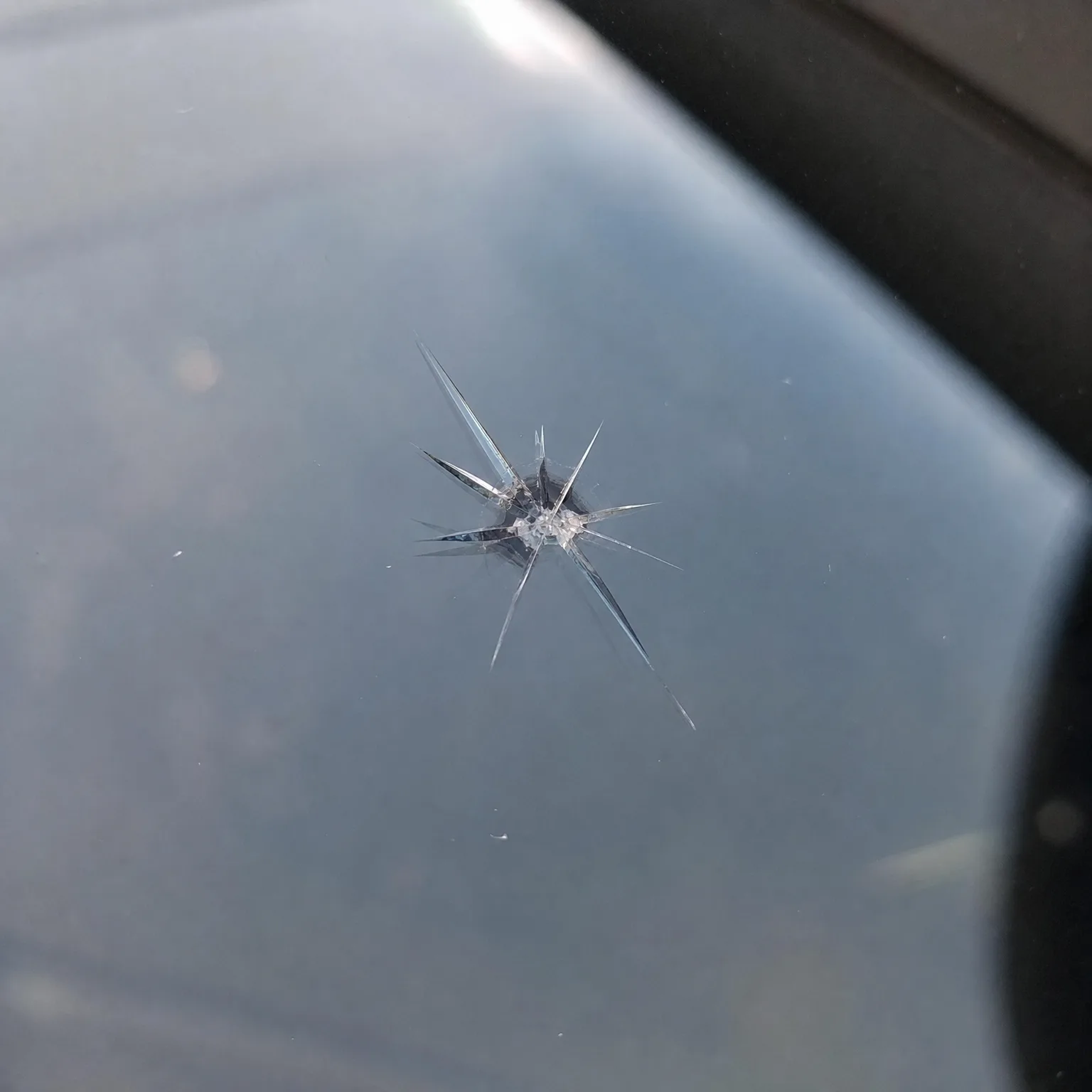
- Photograph before cleanup Take pictures of broken glass, forced locks, and anything missing before you clean up or move items. This is your evidence if the claim is ever questioned.
- Call your insurer same day Ask specifically whether comprehensive covers this and what your out-of-pocket cost will be. Ask too whether a rental is covered while your car is repaired.
- List stolen items separately Personal items like electronics may fall under a different policy than the car itself. Check your renters or homeowners policy alongside your auto policy before assuming nothing's covered.
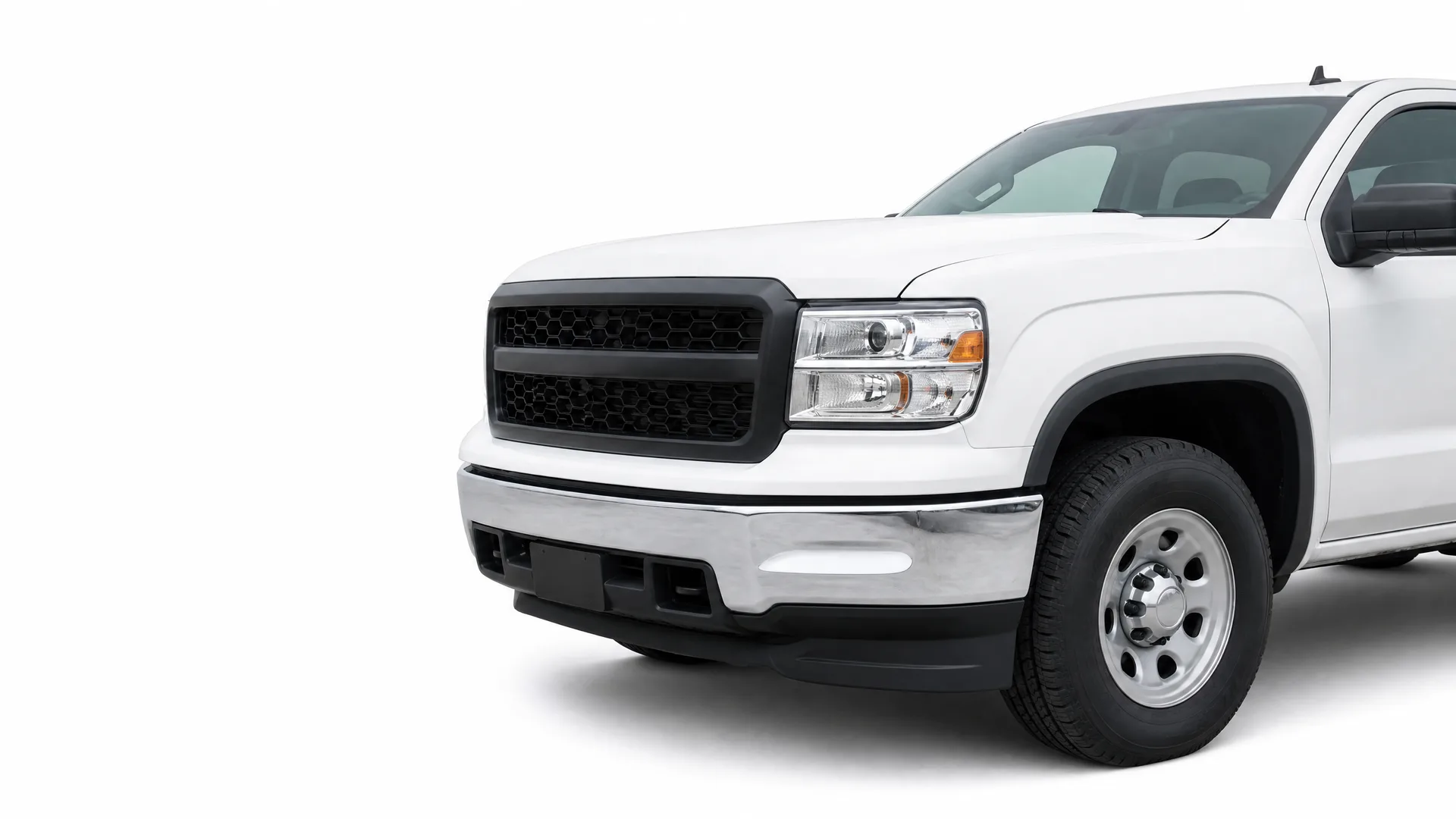
A break-in is a comprehensive claim, not a liability one, so what you carry on your policy decides who pays.
Once you know what your policy covers, compare quotes so coverage fits how often your car sits unattended.
A break-in during a long commute, from discovery to repair
Say you park at a transit lot halfway through your commute, the kind where you leave your car for ten hours while you take a train the rest of the way. You come back to a smashed window and a bag taken from the back seat. You call the police from the lot, get a report filed, and take pictures of the window and the empty seat before you touch anything, since you know your insurer will want that record.
That night you call your insurer and learn your policy includes comprehensive coverage, which handles the window, and a small deductible applies before it pays out. The bag and what was in it aren't covered under the auto policy at all, so you check your renters policy and find it's covered there instead, under personal property. The window gets repaired within a few days, during which your policy covers a rental, since you added that coverage when you realized how often your car sits unattended for long stretches during the week.
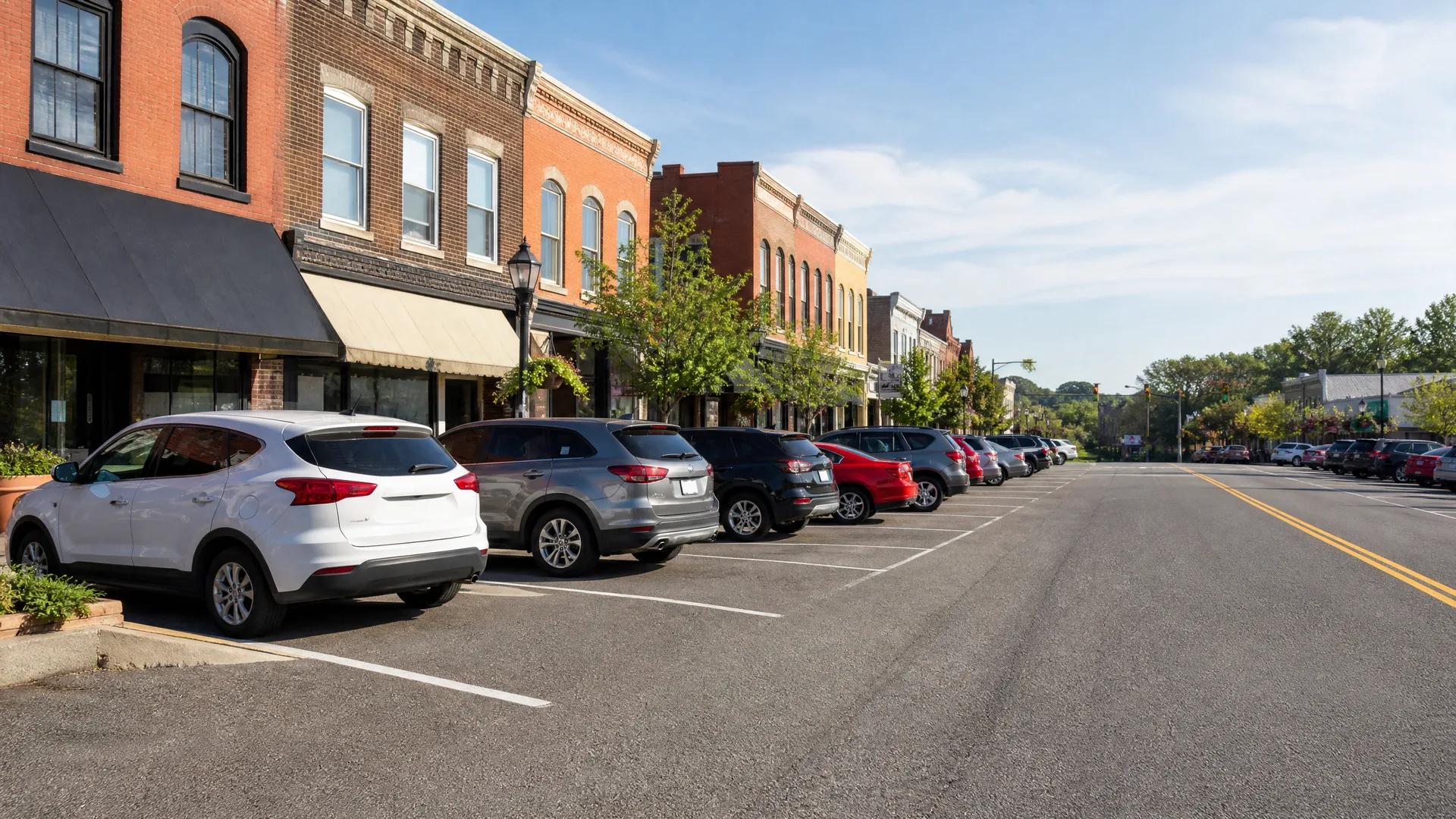
Will a break-in claim raise my insurance rate?
Often it won't, because most insurers treat comprehensive claims, which include theft and vandalism, differently from claims where you were at fault. You didn't cause the break-in and couldn't have prevented it by driving differently, so insurers generally don't penalize it the same way.
That said, this isn't universal. Some insurers weigh any claim, regardless of fault, when they recalculate your rate, and a pattern of repeated claims, even comprehensive ones, can draw more attention than a single incident. The honest answer is to ask your insurer directly how they treat comprehensive claims before you file, since the policy wording and their internal rules decide this, not a general rule that applies everywhere. If you're unsure, asking before you file costs you nothing and tells you exactly what to expect.