Can Dashcams Be Viewed Remotely
Yes, most dashcams can be viewed remotely, through wifi up close or cellular from anywhere, and the two work very differently.
It comes down to how the camera gets online
A dashcam that's viewable remotely needs some way to send video off the device without you plugging it in. There are two common paths. One is wifi, where the camera creates its own local signal and your phone connects to it when you're standing near the car, useful for pulling footage after a fender bender in a parking lot but useless if the car is miles away. The other is built-in cellular, where the camera has its own data connection, similar to a phone, and can send clips or live video anywhere it has signal.
For someone driving long distances, often through areas with patchy coverage, the cellular option matters more than it sounds like it would. A wifi-only camera is fine for reviewing what happened after you've parked, but it won't tell you anything while you're still on the highway an hour from home. A cellular-connected camera can alert you the moment something happens, a hard brake, an impact, someone tampering with the car while it's parked at a rest stop, and let you check live video from your phone.
The tradeoff is that cellular dashcams usually need a data plan, either through the manufacturer or a separate SIM, and that's an ongoing cost on top of the camera itself. Wifi-only cameras are cheaper and simpler but only useful when you're near the car. Which one makes sense depends on how much you value real-time awareness versus just having footage saved for later.
This isn't something insurers regulate or care about directly. What matters to your coverage is the footage itself, not how you viewed it. Check with whoever covers your car about how they want dashcam footage submitted, since that process varies by insurer and sometimes by state.
A commuter who wanted to know if the car was safe overnight
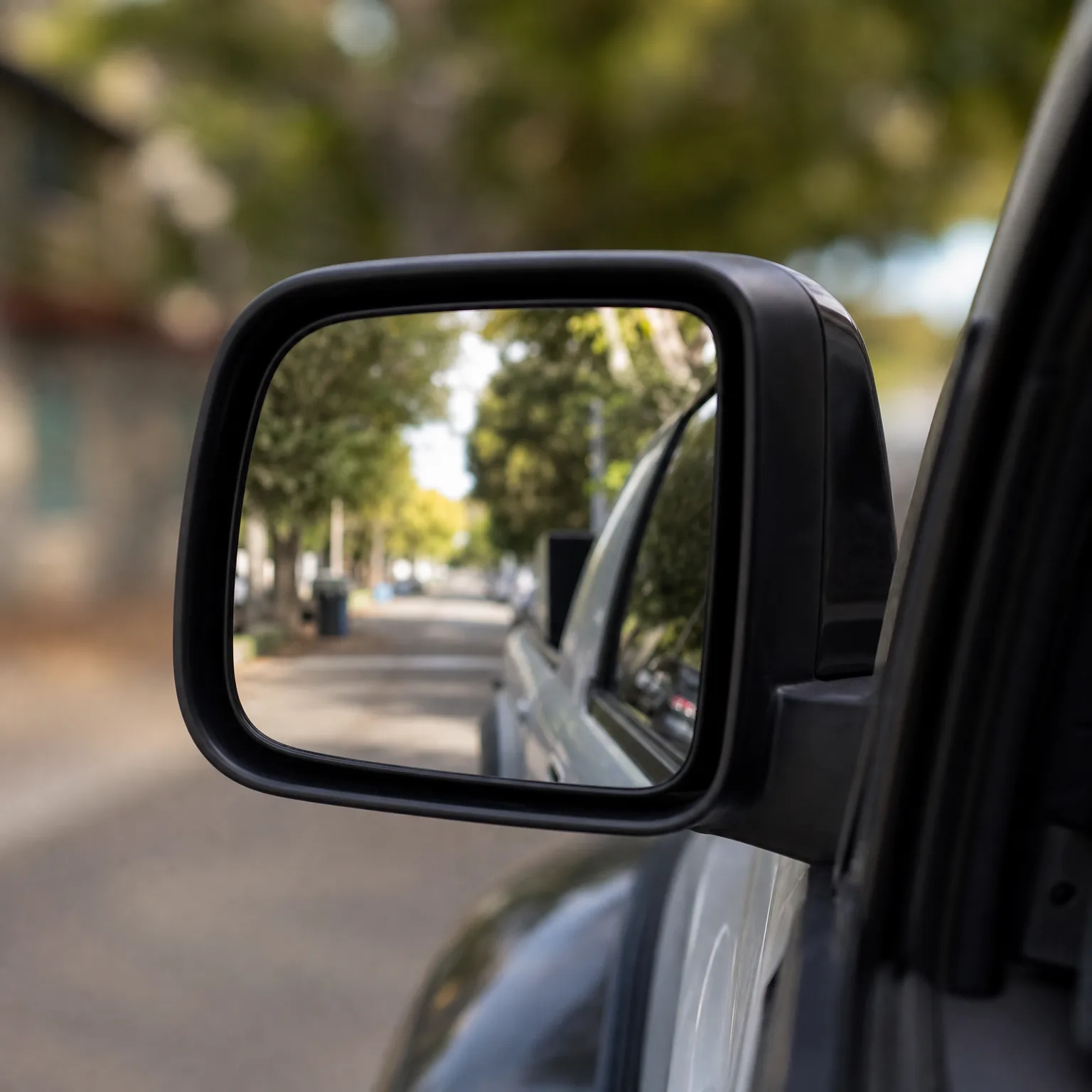
Someone driving an hour each way for work had started leaving the car in a park-and-ride lot near the train station, unattended for nine or ten hours a day. They'd read about break-ins in that lot and wanted a way to check on the car without driving back. A wifi-only dashcam wouldn't help, since it only connects when you're standing next to it, so they looked at cellular-connected models instead.
They chose one with a small monthly data cost and set up motion alerts. A few weeks in, the camera sent a notification that someone had tried a door handle. They pulled up live video from their phone, saw nothing had been taken, and didn't need to involve insurance at all. But having that option, checking in real time instead of wondering all day, was the reason they'd paid for cellular in the first place. For their situation, the ongoing cost made sense. Someone who only ever parks at home might reasonably decide a simpler, cheaper wifi camera is enough.
Once you know what remote access you need, compare quotes to see how dashcam footage fits your coverage.
Choosing a cellular-connected dashcam over a wifi-only one
If you do
You get alerts and live video no matter where the car is parked, which matters if you're away from it for long stretches during a long commute. You'll pay an ongoing data cost, and you'll need to check the signal quality in the areas you actually park, since rural or underground spots can be weak.
If you don't
You save the monthly cost and setup is simpler, but you only get footage once you're back near the car and connected to its wifi. If something happens while you're away, like a break-in attempt, you won't know until you return, and you can't check in real time.
Will dashcam footage actually lower my insurance rate?
Not directly, and not on its own. Dashcam footage can help you settle a claim faster or prove you weren't at fault, which protects your record and keeps your rate from rising after an incident that wasn't your doing. But most insurers don't offer a discount just for owning a dashcam, since the camera doesn't change how likely you are to get in an accident.
What it changes is the aftermath. If you're in a dispute over who caused a crash, clear footage can settle it in minutes instead of weeks, and it can keep a not-at-fault accident from getting misclassified in a way that affects your rate. Ask whoever covers your car whether they have a process for submitting dashcam video, since some make it easy and others barely look at it, and that's worth knowing before you need it rather than after.
The camera isn't the safeguard, the connection is. Footage you can't reach is just storage.