Is 3/32 Tire Tread Bad
3/32 is legal in most places but it's worn tire territory, and for your heavy highway miles, it's time to plan a replacement soon.
What 3/32 tread means for a heavy highway commute
- Legal isn't the same as safe Most states allow tires to wear down close to the legal minimum before they're illegal, so 3/32 usually passes inspection. But passing doesn't mean the tire still grips well in rain at highway speed.
- Wet grip drops fast now At 3/32 your tires can't channel water away as well, so stopping distances grow and hydroplaning risk rises. If your commute includes highway speeds or rain, this matters more than the legal minimum.
- Your miles shorten the timeline Heavy commuters wear through tread faster than average drivers, so 3/32 might only last a short while longer. Check your tread monthly instead of waiting for a scheduled inspection.
- Spare and roadside matter more Worn tires raise your odds of a blowout or flat far from home. Confirm your roadside assistance and spare tire situation now, before you're stranded on a long stretch of highway.
- Rotation won't fix this Rotating tires evens out wear going forward but doesn't restore tread that's already gone. At 3/32, rotation buys a little time, not a reprieve.
How many more miles can I get out of 3/32 tread?
There's no fixed number, because it depends on your tire type, your weight load, your driving style, and the road conditions you face. A heavy highway commute wears tread faster than mixed city driving, so what might stretch for a typical driver could go quicker for you.
The better approach is to stop thinking in miles and start checking tread depth directly, every few weeks, with a simple gauge or the coin method. Watch the trend. If you're losing a meaningful chunk of tread every month, you're closer to replacement than the calendar suggests.
Also factor in the season. If wet or winter weather is coming and you're already at 3/32, don't wait to see how low you can go. Replace before conditions make the margin matter.

Replace now versus ride it out to the legal limit
If you do
You replace tires at 3/32. Braking distance improves, hydroplaning risk drops, and you stop checking tread anxiously before every highway trip. It costs money sooner than strictly required, but you get a real safety margin back for the miles you're putting on.
If you don't
You keep driving and watch tread wear toward the legal minimum. Wet-weather handling keeps declining and a sudden rainstorm or highway merge becomes riskier. You save money short term, but you're commuting on a shrinking margin with no warning before it runs out.
Once you've decided when to replace your tires, compare quotes to make sure your coverage fits how you actually drive.
A commuter checks tread before a rainy season starts
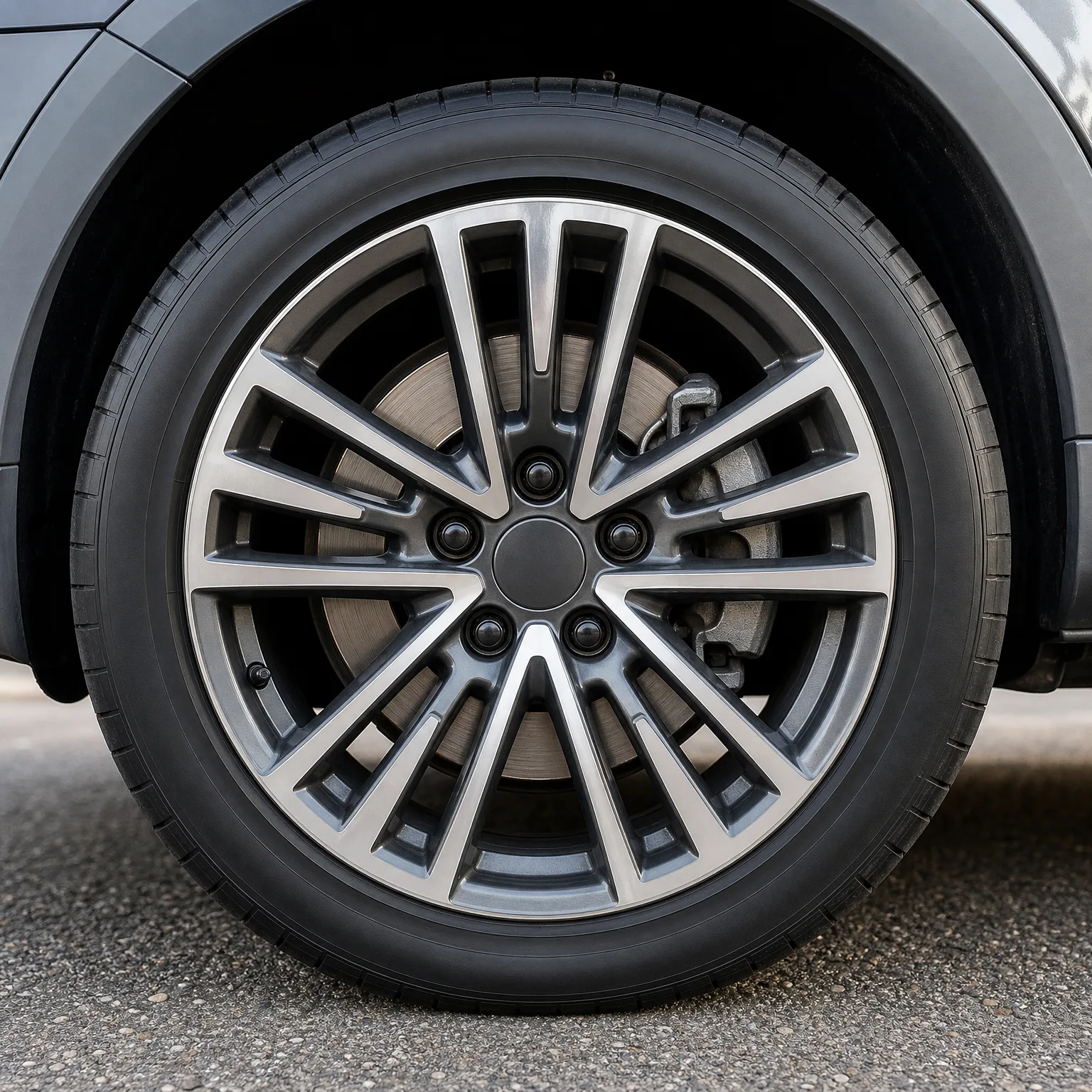
Someone driving a long highway commute each way noticed their front tires measuring 3/32 right as fall rain was starting. They'd been meaning to check for a while but kept putting it off since the tires still looked fine and passed the state inspection earlier that year. Looking closer, the wear was uneven across the front pair, worse on the outer edges, which told them an alignment issue was speeding things along.
They replaced the front tires right away instead of waiting, and got an alignment check at the same time so the new tires wouldn't wear the same way. They also started checking tread monthly going forward instead of waiting for inspection season. The next few months of rainy commutes felt noticeably more stable, and they avoided the slow slide toward replacing tires in an emergency, on the shoulder of the highway, during a storm.

Tread depth is a moving number, not a pass or fail, so check it yourself instead of waiting to be told.
What is the minimum legal tire tread depth?
It depends on where you live, since tread depth limits vary by state. Many places set the line that most drivers reference, but you should check your own state's requirement rather than assume. What's consistent everywhere is that grip declines well before you hit the legal minimum, so don't treat the legal number as a safety target.
How do I measure tire tread depth myself?
Use a tread depth gauge from an auto parts store, or the coin method as a rough check, inserting a coin into the groove and seeing how much is visible. Check multiple spots across each tire, since wear is often uneven. If you notice uneven wear, that's worth investigating separately, since it often points to alignment or suspension issues.
Does worn tire tread affect my car insurance claim?
It can, depending on your insurer and the state you're in, because badly worn tires may be viewed as a maintenance failure rather than normal wear. This becomes more relevant after an accident where tire condition is in question. Check your policy wording and ask your insurer directly how they handle tread-related claims before you need to find out the hard way.