Why Did My Tires Wear Out So Fast
Your tires wore fast mainly from piling on highway miles, and small alignment or pressure problems get magnified over distance.
Miles do the damage, and small problems get multiplied by them
Tire wear is mostly a function of distance, not time. A tire rated for a certain number of miles will hit that number much sooner if you're driving significantly more than average, and a long commute, especially one that crosses state lines or covers mostly highway miles, adds up fast. What feels like premature wear is often just the tire doing exactly what it was built to do, only on a compressed timeline.
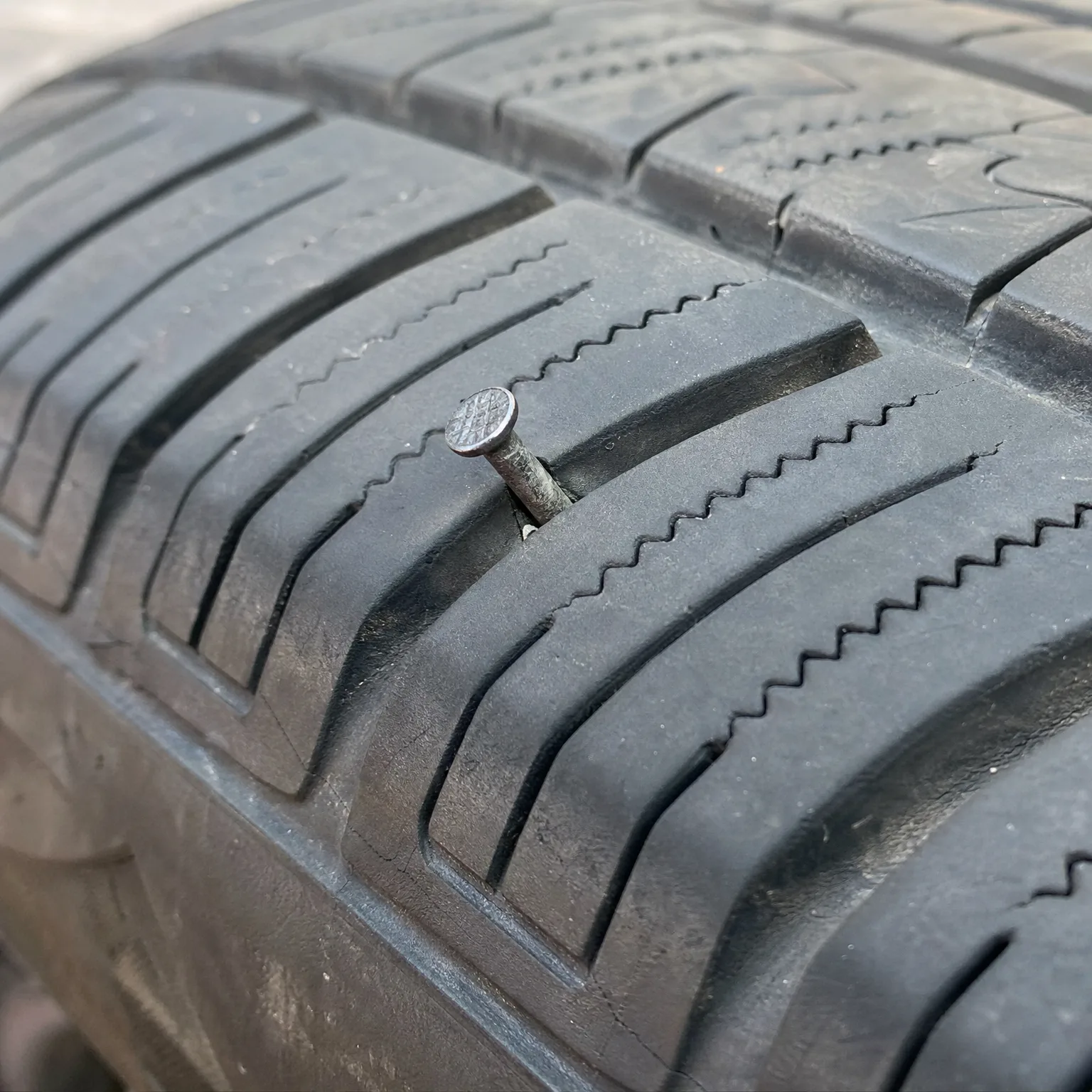
But distance alone doesn't explain uneven or lopsided wear. That usually points to alignment, which drifts over time from potholes, curbs, or just age, and once it's off, every mile you drive pushes the tire's edge or center down faster than the rest. Underinflation does something similar, letting the outer edges carry too much load, while overinflation wears down the center. Either one turns normal mileage into fast mileage.
Your driving conditions matter too. Highway speeds generate more heat in the tire, and heat accelerates the breakdown of the rubber compound itself, separate from the physical wear of miles. Stop and go traffic wears differently, with more stress from braking and acceleration. If your commute mixes both, you're getting wear from two directions at once.
Where this plays out differently is the vehicle and tire choice itself. Lower quality tires wear faster under identical conditions, and some vehicles put more weight or torque through certain wheels, wearing those tires down unevenly regardless of how carefully you drive. Checking your specific tire's mileage rating against your actual annual mileage will tell you if this was expected or a sign something else needs attention.
A driver crossing state lines twice a day for work
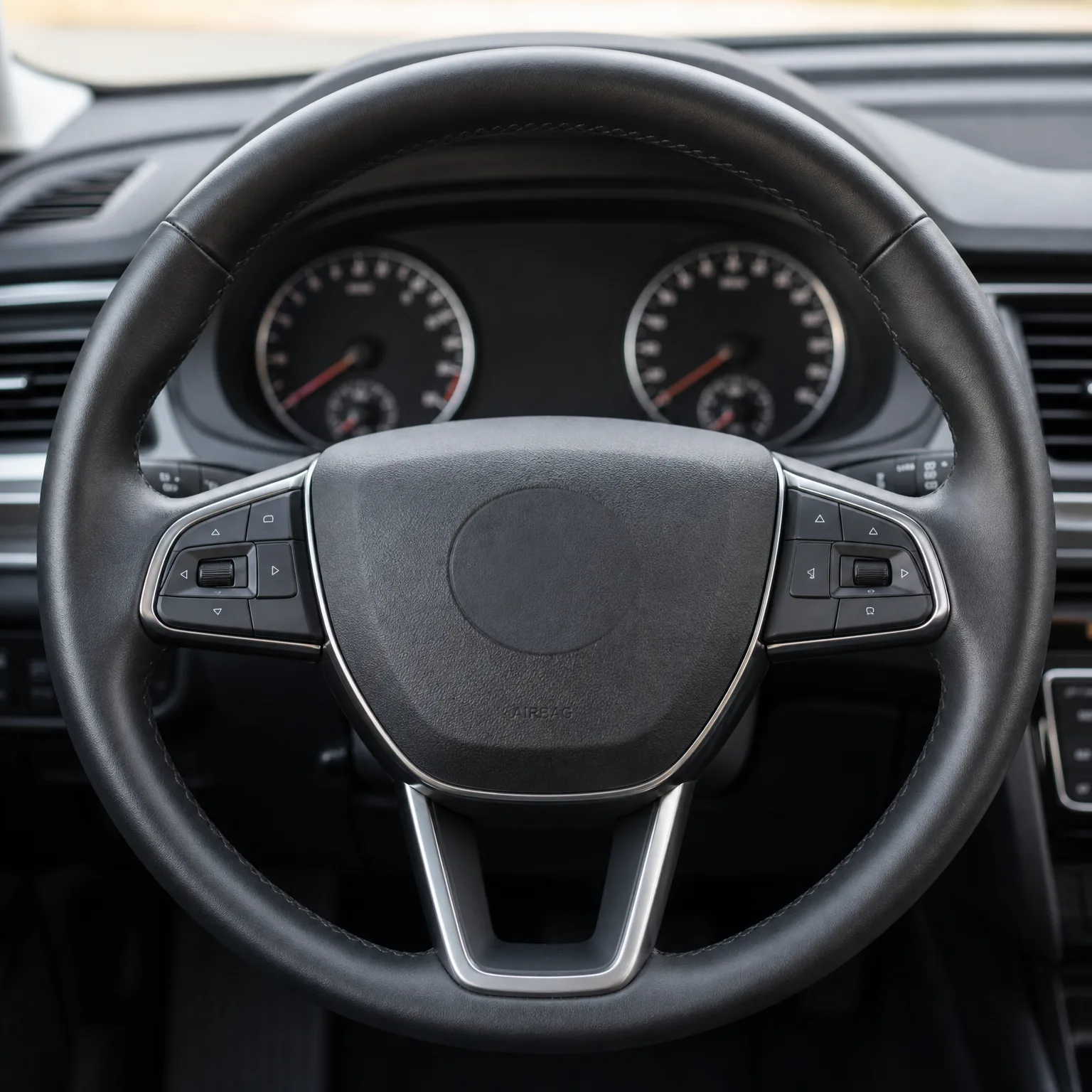
Someone driving close to two hours round trip, most of it highway, started noticing their front tires looked thinner than the back ones after less than a year. They assumed the tires were just low quality, since that's what the shop that installed them had suggested buying. But when they got a second opinion, the mechanic checked the alignment first and found it was off, likely from a pothole hit months earlier that never caused an obvious problem.
The alignment was corrected, and the two front tires were replaced since the uneven wear had already gone too far. The driver also started checking tire pressure monthly instead of only when a dash light came on, since the high mileage meant more opportunities for slow pressure loss to matter. The next set of tires lasted close to the expected mileage, confirming the alignment, not the tire brand, had been the real issue. For a commute that long, the fix was worth catching early, since another year of driving on bad alignment would have meant replacing tires almost every year.

The real question isn't why they wore out, it's whether your mileage matches your maintenance plan.
Now that you know what's driving the wear, compare quotes built around how much you actually drive.
What to check before you blame the tires
- Alignment history Uneven wear on one side or edge usually means alignment, not the tire itself. Get it checked whenever wear looks lopsided, especially after hitting a pothole or curb.
- Pressure checks Long commutes give slow leaks more time to matter before you notice. Check pressure monthly, not just when a warning light appears.
- Mileage versus rating Compare your annual mileage to the tire's rated lifespan, since heavy commuters hit that number much sooner. This tells you if the wear was expected or early.
- Rotation schedule Tires wear differently front to back and side to side depending on your car. Stick to a rotation schedule that matches your actual mileage, not a calendar guess.
- Tire quality for your miles A budget tire rated for fewer miles than you drive annually will always feel like it wore out fast. Choose tires rated for highway or high mileage use if your commute is long.

Does my car insurance cover tire replacement?
Standard car insurance generally does not cover routine tire wear, since that's considered maintenance, not an accident. It may cover tire damage from a covered event like hitting debris or a pothole, depending on your policy's comprehensive or collision coverage and your insurer's specific terms. Check your policy documents for what counts as road hazard damage versus wear and tear, since insurers draw this line differently. If you hit something sudden that damaged the tire, file a claim and let the insurer decide rather than assuming it's excluded.
Does a long commute raise my car insurance rate?
Yes, insurers generally ask about annual mileage or commute distance because more time on the road means more exposure to accidents. How much it affects your rate varies by insurer and by state, so check how your specific policy asks about mileage. If your commute changed recently, longer or shorter, updating that information with your insurer could change your rate in either direction. Some insurers also offer usage based programs that track actual mileage, which may suit high mileage commuters better than a flat estimate.
What car maintenance matters most for a long commute?
Tire checks, oil changes, and brake inspections matter most, since all three wear faster under high mileage and highway driving. Set your maintenance schedule by mileage intervals rather than by months, since you'll hit mileage thresholds much sooner than an average driver. Check your owner's manual for the mileage based schedule rather than the time based one. If your commute includes a lot of highway heat or stop and go traffic, ask your mechanic whether your specific driving pattern should shorten any of those intervals.