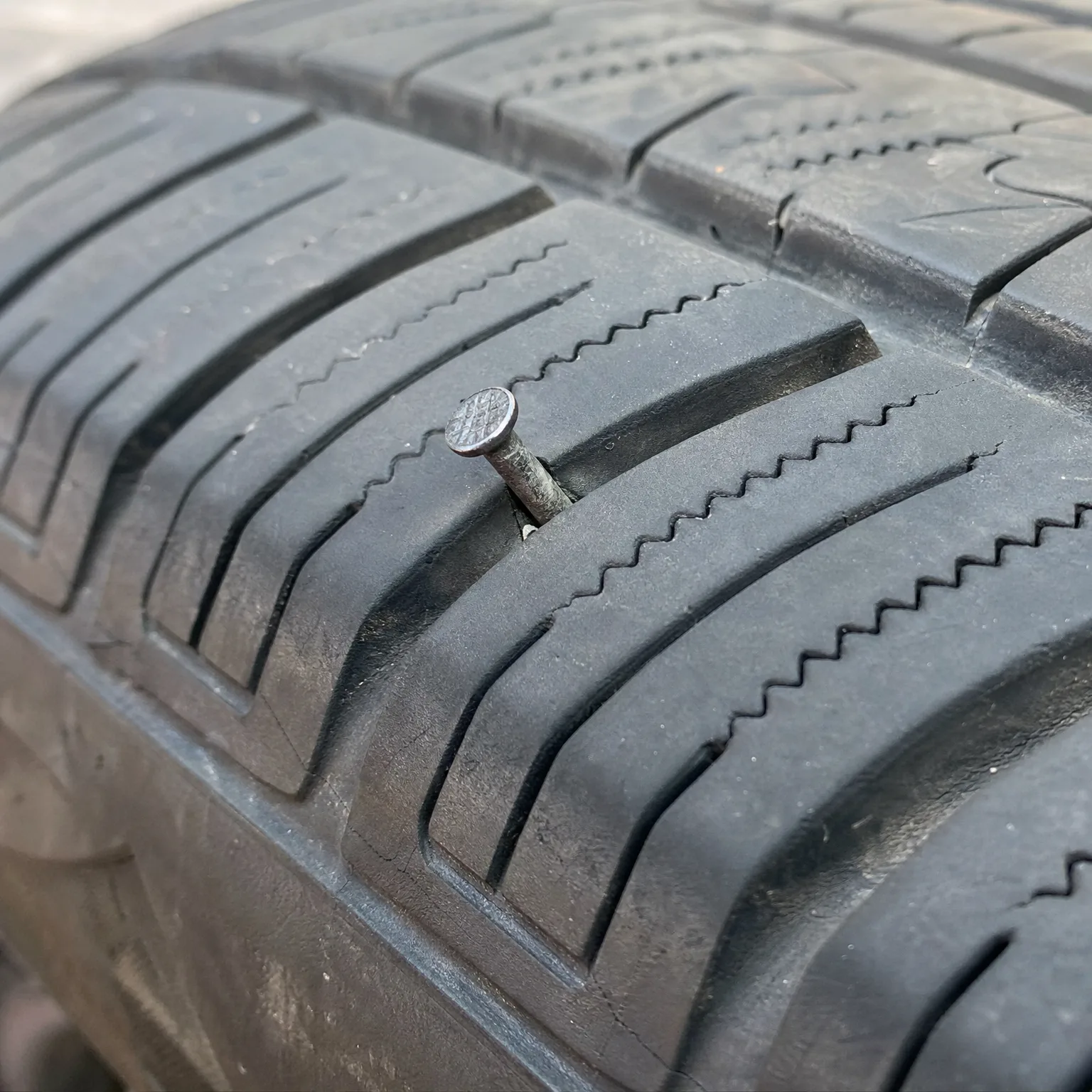
Should I Replace All Four Tires at Once
Replace all four only when tread wear, age, or your drivetrain makes mismatched tires a problem, otherwise two is often fine.
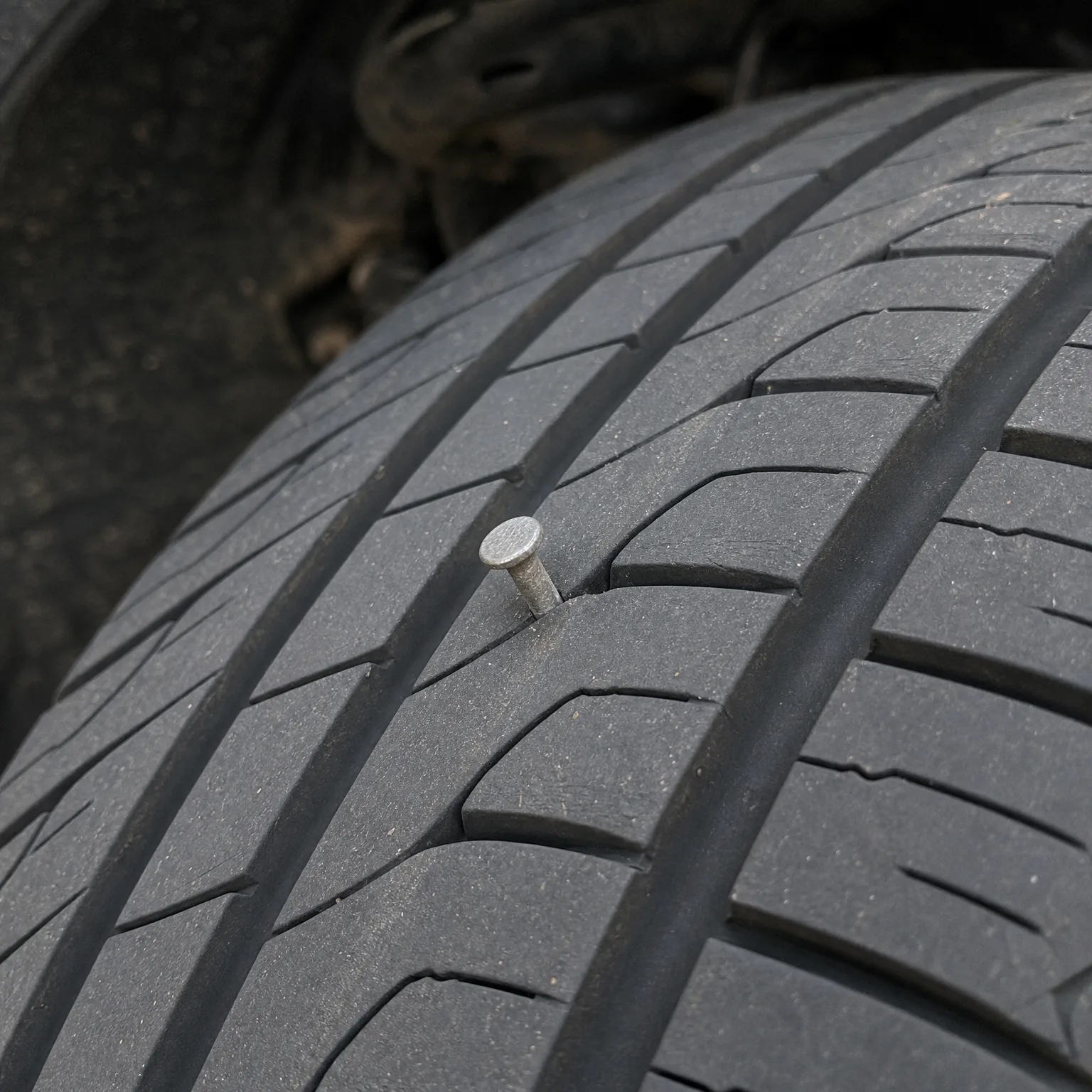
What actually decides whether you need four
- Your drivetrain type All-wheel drive cars often need matching tread depth on all four tires or the system can be strained. Check your owner's manual for what your manufacturer actually requires.
- Tread depth difference If your new tires sit much higher than the worn ones, handling gets uneven, especially in rain. Ask the shop to measure and compare depth before you decide.
- Age of the other tires Tires degrade with time even with low mileage, so two older tires paired with two new ones may wear or fail differently. Check the date code on the sidewall, not just the tread.
- Where the new tires go If you're only replacing two, the better tires generally belong on the rear axle, not the front. Ask your installer to confirm this is their standard practice.
- Your annual mileage Heavy highway driving wears tires faster and more evenly across the set, which can make a full replacement line up more naturally. Track your mileage so your next replacement timing makes sense.
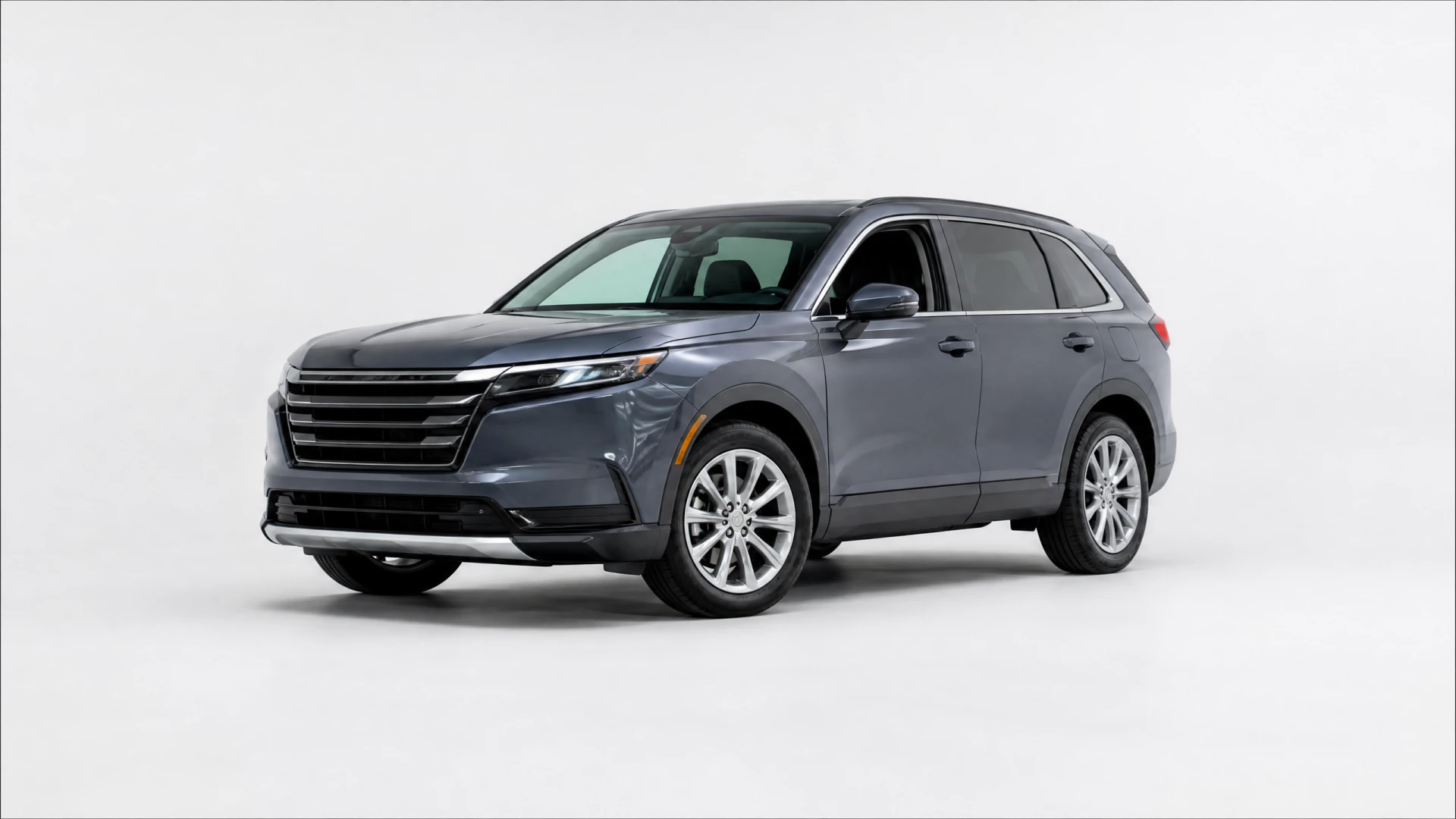
The short version
You don't always need four new tires, it depends on your drivetrain, how worn the other two are, and how old they are. Front-wheel drive cars with close tread depth can often get by with two. Check your manual, compare tread depth, and ask your installer where the new tires should go.
Will replacing only two tires void my car's warranty?
For most cars, no. Tire wear and replacement generally isn't tied to your vehicle's manufacturer warranty, which covers things like the engine, transmission and other mechanical systems.
The exception is certain all-wheel drive systems where the manufacturer specifies matched tread depth across all four tires as a condition for that specific drivetrain component to be covered. This is uncommon but it does exist on some models. Check your owner's manual or ask your dealer directly if you drive an all-wheel drive vehicle, since this is the one case where mismatched tires could actually cost you more than the tires themselves.
Now that you know how many tires you need, compare quotes to make sure your coverage fits a car logging heavy miles.
Why tread depth and drivetrain matter more than the calendar
Tires wear unevenly because your car doesn't put the same weight and stress on all four. Front tires usually handle more of the steering, braking and in front-wheel drive cars, the engine's power too. That means they wear faster than the rear tires, which is exactly why a two-tire replacement is common and usually fine for a standard front or rear wheel drive car.
The problem shows up with all-wheel drive. These systems constantly compare how fast each wheel is turning, and tire diameter affects that measurement. A new tire has more tread and a very slightly larger diameter than a worn one. Put two new tires next to two worn ones on an all-wheel drive car, and the system can misread wheel speed as slippage, which strains the drivetrain over time. This is the main reason manufacturers of these vehicles sometimes require matched tread across the set.
Age works differently than wear. Rubber hardens and degrades over years regardless of how many miles you've put on it, so two tires bought years after the other two will age unevenly even if they look fine. This matters more for drivers who don't rack up huge mileage but still want their tires replaced in pairs tied to time rather than tread.
None of this means more tires is always safer. Replacing four tires you don't need yet is money spent on rubber with life left in it. The right call depends on matching your specific car's requirements to the actual condition of what's already on it, not on a blanket rule.

How often should high mileage drivers replace tires?
It depends on tread wear rather than a fixed schedule, but heavy highway driving wears tires down faster than average, so check tread depth more often than a typical driver would. Use a tread depth gauge or the penny test monthly. Rotating tires regularly also evens out wear and can extend how long the full set lasts before any replacement is needed.
Does tire brand or model matter if I'm only replacing two?
Yes, mismatched models can behave differently even at the same tread depth, so try to match the tire that's already on your car when replacing just two. If the exact model isn't available, ask your installer for one with a similar tread pattern and speed rating. This matters most for all-wheel drive cars where consistency affects the drivetrain.
Should I rotate my tires more often with a long commute?
Yes, more miles means uneven wear builds up faster, so rotating on a regular schedule rather than waiting matters more for you than for an average driver. Check your owner's manual for the recommended interval and treat it as a maximum, not a target. Regular rotation also makes it more likely all four tires wear down together, simplifying replacement later.