Can Towing Damage a Vehicle
Yes, towing can damage a vehicle, through drivetrain strain, improper hookups, or an accident during the tow itself.
The damage usually comes from how the tow happens, not the tow itself
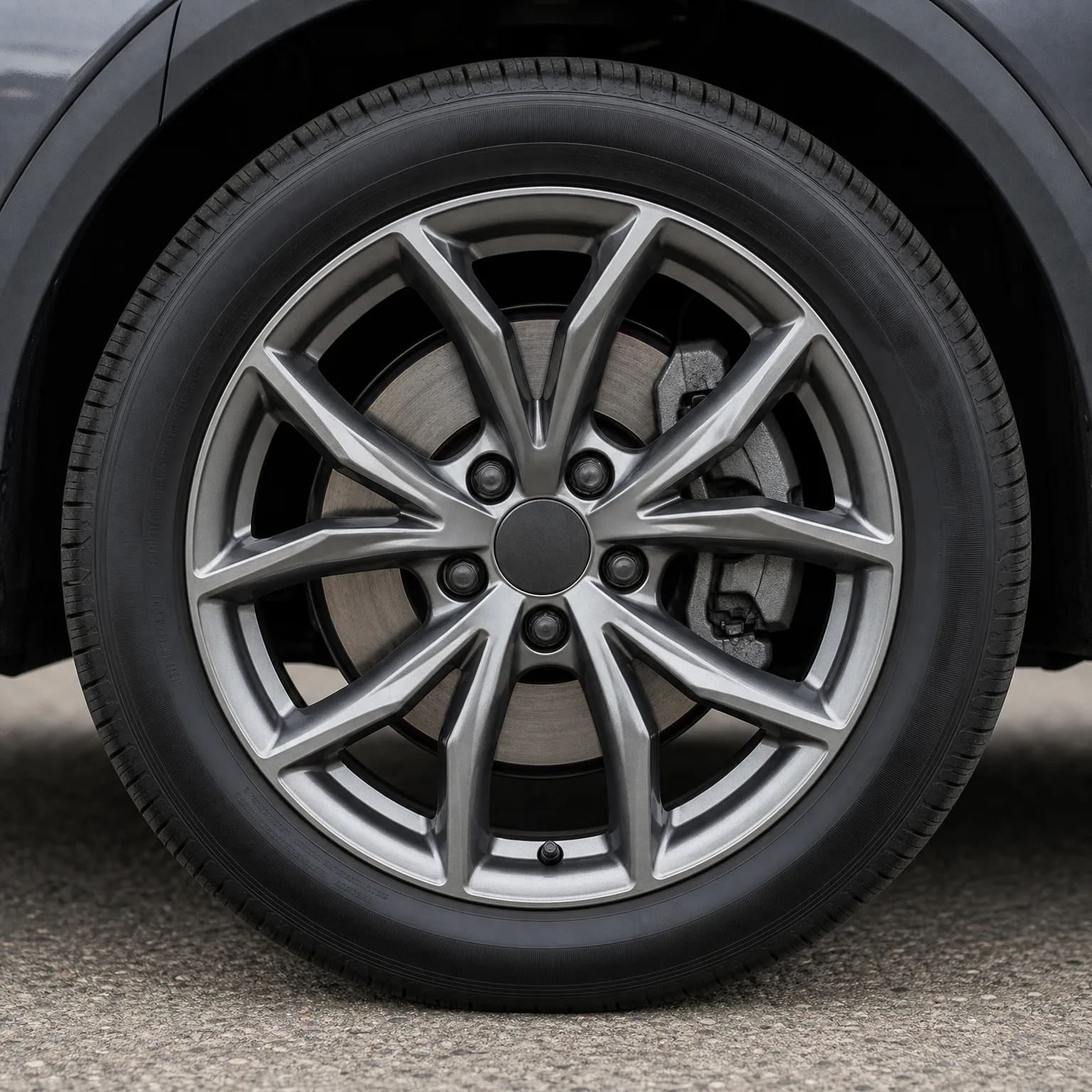
Towing is routine and safe the vast majority of the time, but the method matters. A flatbed carries your car without its wheels touching the road, which is the safest option. A wheel-lift or hook-and-chain tow drags part of the car's drivetrain, and on certain vehicles, especially those with all-wheel drive, that can strain the transmission or transfer case if it's not done correctly.
The other source of damage is the hookup itself. Straps placed wrong, chains that scrape a bumper, or a dolly that isn't secured can scratch paint, crack a fascia, or leave dents that weren't there before the truck arrived. This is more about the operator's care than the type of tow.
Then there's the tow as an event on the road. A flatbed carrying your disabled car can still be involved in a crash, and so can a truck pulling your car behind it. That kind of damage is really a collision claim wearing a tow's clothes, and it gets handled differently than cosmetic damage from the hookup.
For someone putting a lot of highway miles on a car, the odds of needing a tow at some point are higher simply because you're on the road more. That doesn't mean towing is riskier for you specifically, it means the math catches up with higher mileage eventually, so it's worth knowing where responsibility lands before you need it.
A transmission problem that started with a flatbed ride
Someone with a long highway commute had their all-wheel-drive car break down on the shoulder during rush hour. The tow company sent a flatbed, which was the right call for that drivetrain, and the driver got the car loaded and strapped without incident. A week later, the transmission started slipping, and the owner wondered whether the tow had caused it.
The repair shop found no connection. The transmission issue was a pre-existing wear problem that had nothing to do with how the car was transported, and the shop documented that clearly in writing. Because the tow company had used the correct method for that vehicle and there was no visible new damage from the hookup, there was no case against the tow operator. The owner's own mechanical breakdown coverage ended up handling the repair instead, which is the kind of outcome worth knowing about before you're the one standing on the shoulder.
The real risk is who pays when a tow goes wrong, so know your coverage before you need it.
Compare quotes now that you know what towing can and can't damage, and what your policy needs to cover for it.

Whether you confirm the tow method before the truck arrives
If you do
You ask what kind of tow truck is coming and mention your drivetrain if it's all-wheel or four-wheel drive. The dispatcher sends the right equipment, the driver treats your car accordingly, and you lower the odds of avoidable mechanical strain before it ever becomes a claim or an argument with anyone.
If you don't
A generic truck gets sent, and if it's the wrong method for your car, nobody may realize until damage shows up later. Proving what caused it becomes harder after the fact, and you're left arguing over something that was preventable with one phone call.
Does your car insurance cover damage caused by a tow truck?
It depends on what actually caused the damage, and that's the detail worth checking with your insurer directly. If the tow truck itself was in an accident while carrying or pulling your car, that typically falls under your collision coverage, the same as any other crash. If the damage happened during loading, like a scrape, dent, or cracked panel from the straps or hookup, that's usually the tow company's liability, not your insurer's responsibility at all.
Where it gets harder is mechanical damage, like a strained transmission from an improper tow. That's rarely a clean insurance claim either way, and it often comes down to proving the tow method was wrong for your vehicle. This is also where coverage for roadside help and rental cars while yours is being repaired becomes relevant, since a damaged car from a bad tow still leaves you without transportation. Ask your insurer directly how they'd handle each of these scenarios, since the answer isn't the same at every company.