Does Car Insurance Pay for Wear and Tear
No, wear and tear is your responsibility, not your insurer's, no matter how many miles you drive.
Insurance covers accidents, not the cost of using your car
Car insurance exists to pay for sudden, specific damage, things like a collision, a storm, or theft. Wear and tear is the slow, predictable cost of using a car as it's meant to be used. Brake pads thin out, tires lose tread, belts age, and engines accumulate miles. None of that is an accident, so none of it is insurable in the way a crash is.
This holds true everywhere, because it's about what insurance is designed to do, not a rule any one state or insurer invented. Every policy, no matter where you live or who writes it, separates sudden loss from gradual deterioration. The line can blur in specific claims, so if you're ever unsure whether something counts as damage or wear, ask your insurer directly before you file.
For someone putting long hours on the road every week, this distinction matters more than it does for an occasional driver. Your tires, brakes, and fluids wear out faster simply because you're on the road more. That's not a flaw in your coverage. It's just math catching up with mileage, and it means your maintenance budget has to scale with your commute.
Where things can differ is in what counts as a mechanical breakdown versus a maintenance failure, especially if you carry optional coverage like mechanical breakdown insurance, where it's offered. That coverage, when available, still usually excludes normal wear. Check your policy's exact wording or ask your insurer what a specific repair would fall under before assuming either way.
The short version
Car insurance doesn't pay for wear and tear, only for sudden damage like accidents or theft. Because heavy commuting wears parts down faster, budget separately for maintenance rather than expecting insurance to help. Ask your insurer what counts as damage versus wear if you're ever unsure before a repair.
A commuter's worn brakes and cracked windshield, explained
A driver with a ninety-minute highway commute noticed their brakes felt soft and had them inspected. The mechanic found the pads worn down far earlier than expected, a direct result of heavy stop-and-go traffic near their exit every day. They called their insurer hoping for help, but were told plainly that worn brake pads are maintenance, not damage, and fall entirely on the owner.
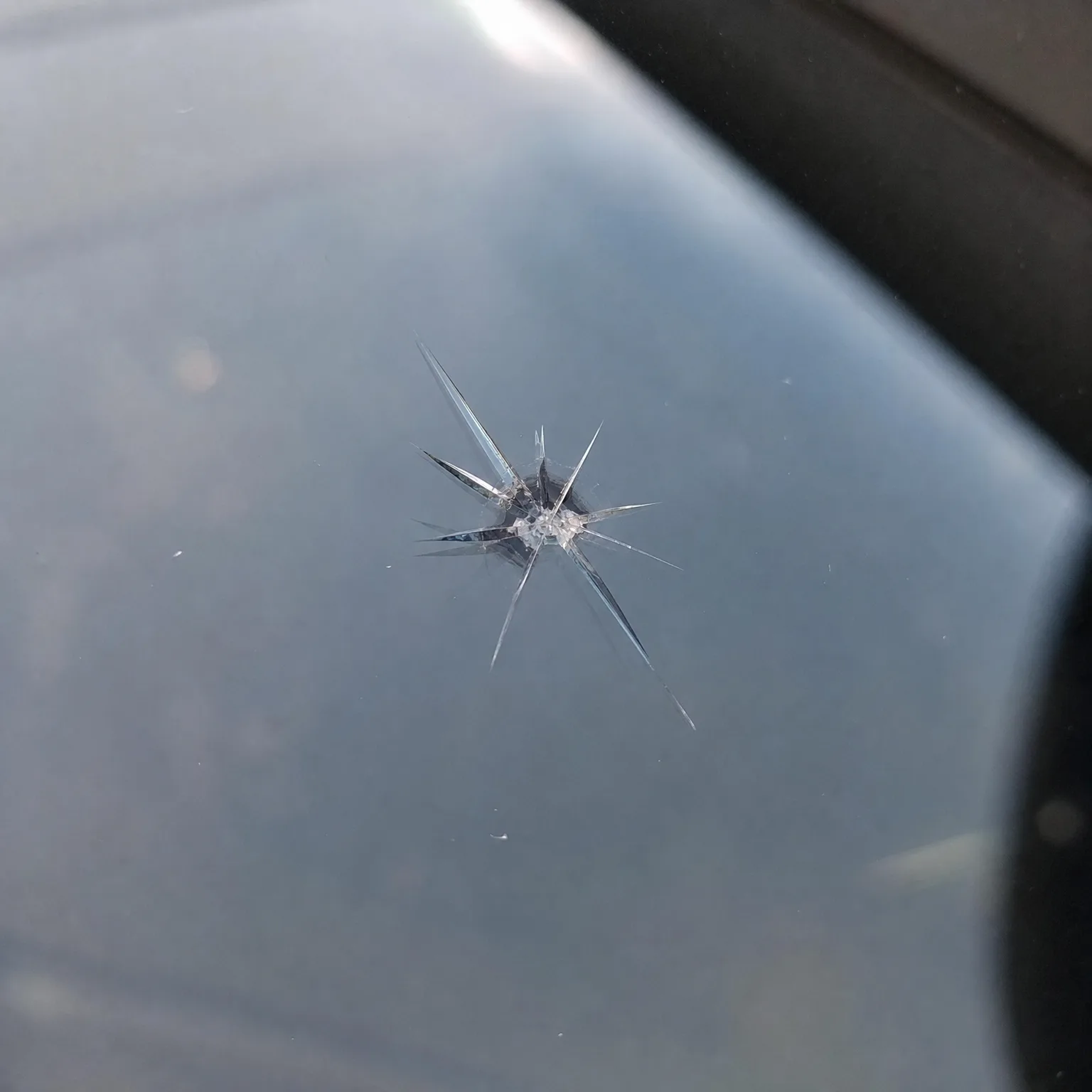
A few months later, a rock kicked up by a truck cracked their windshield on the same stretch of highway. This time, the insurer covered it under comprehensive, since it was sudden and caused by an outside event. The driver walked away understanding the difference clearly. Anything that happens gradually from normal use is on them to maintain, but anything that happens to them unexpectedly is what their policy is actually for.
Knowing maintenance is on you and accidents are on your policy, compare quotes built around your actual mileage.

Whether you budget separately for maintenance
If you do
You set aside money regularly for tires, brakes, and fluids, knowing your mileage wears them faster. When something breaks early, you're not caught off guard financially. Your insurance stays focused on accidents, and your savings handle the predictable cost of all those extra highway miles.
If you don't
You rely on insurance to help when parts wear out, and discover it won't. A worn-out transmission or brake job becomes a sudden, unplanned expense right when you least expect it. Heavy commuters feel this hardest, since more miles mean parts wear out sooner and more often than a typical driver's would.
What actually determines whether something is covered
- Sudden versus gradual Coverage applies to events that happen suddenly, like a collision. If damage built up slowly from regular use, it's wear and tear and falls on you to fix.
- Comprehensive has limits Comprehensive covers outside events like theft or weather, not deterioration. A cracked windshield from a rock is covered, but a windshield that fogs from age usually isn't.
- Mileage speeds wear More highway miles mean faster wear on tires, brakes, and fluids. Plan maintenance checks around your mileage, not just the calendar.
- Breakdown coverage is narrow Where offered, this optional coverage helps with certain failures, but still excludes normal wear. Ask specifically what it includes before counting on it.
- Follow the owner's manual Insurers and mechanics often use manufacturer schedules to judge what's normal wear. Following that schedule also protects you if a claim is ever disputed.
Stop expecting insurance to offset mileage. Treat maintenance as its own budget line, scaled to your commute.