What Does Collision Coverage Not Cover
Collision pays to fix your car after a crash, but won't touch mechanical breakdowns, theft, weather damage, or anyone else's car.
It only covers the impact itself, nothing before or after it
Collision coverage exists for one purpose, to pay for damage your car suffers when it hits something or something hits it. That's the entire scope. Once you understand that boundary, the gaps make sense, because anything that isn't a collision falls outside it by design, not by accident.
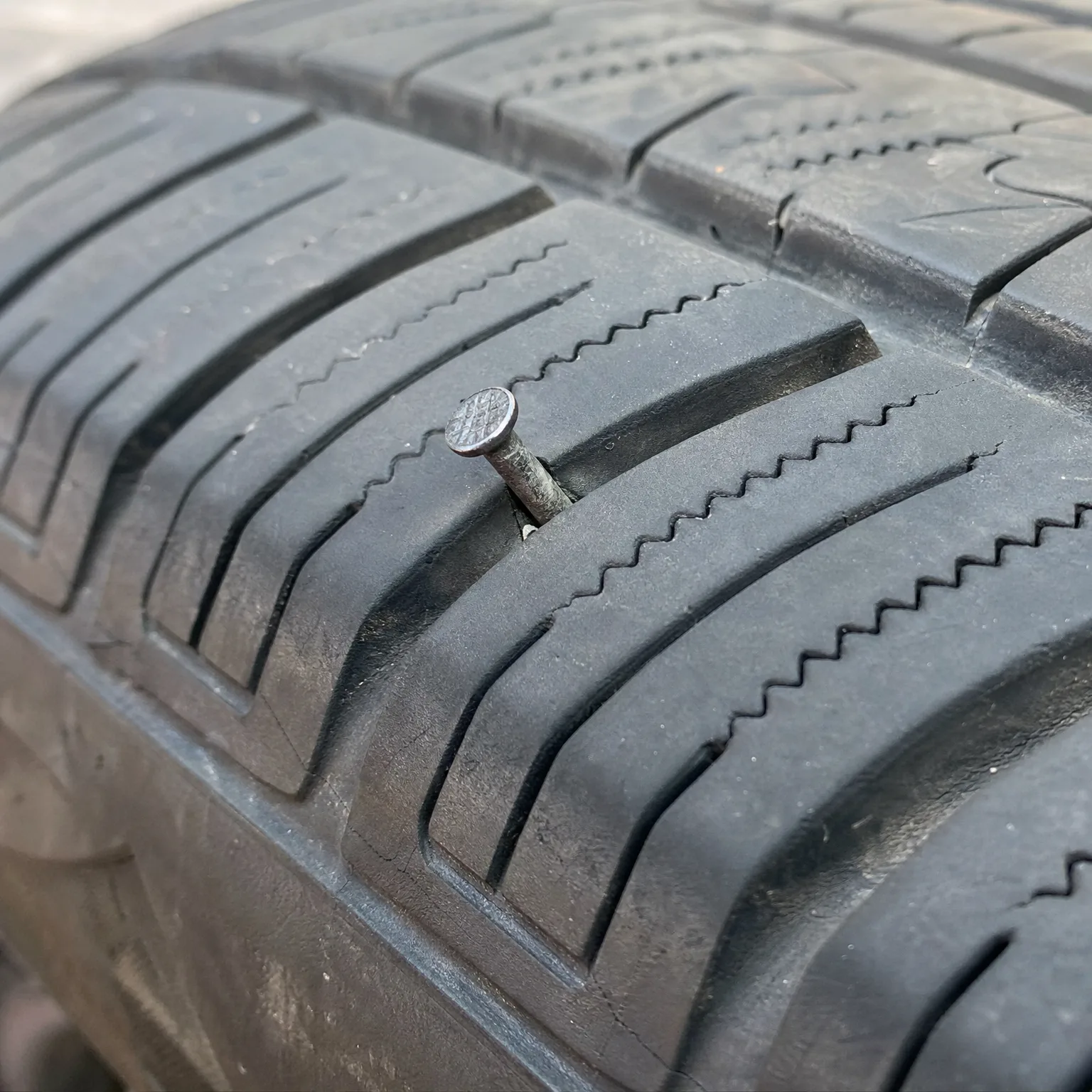
Mechanical failure is the clearest example. If your transmission gives out or your engine overheats on your long drive home, that's wear and age, not a collision, so it's not covered here. The same goes for anything that happens to your car without impact, like theft, vandalism, a cracked windshield from a rock, or flood and storm damage. Those fall under comprehensive coverage instead, which is a separate policy decision.
Collision also only pays for your own vehicle. If the crash is your fault and the other driver's car or medical bills need covering, that's liability coverage, not collision. And if you're hurt yourself, that's handled by medical payments or personal injury protection, depending on where you live. Collision stays narrowly focused on repairing or replacing your car after impact.
There are edge cases too. Some insurers won't pay out if the damage happened while you were using the car for work like deliveries, unless you carry a commercial or rideshare endorsement. Rules about this vary by state and by insurer, so check your policy's definitions and any exclusions listed for business use, racing, or driving without a valid license.
The short version
Collision pays to repair your own car after it hits something or gets hit, and nothing else. It won't cover mechanical breakdowns, theft, weather damage, or injuries and damage to others. Pair it with comprehensive and liability coverage, and check your policy for exclusions around business use.
A rock on the highway versus a sudden stop in traffic
Say you're driving your usual long stretch of highway and a rock kicks up from a truck ahead, cracking your windshield. You file a claim expecting collision to cover it, but your insurer tells you this falls under comprehensive instead, since nothing collided, the damage came from a road hazard. If you only carry collision, you're paying out of pocket for that windshield.
A few months later, traffic ahead of you stops short and you rear-end the car in front. This time collision coverage kicks in, paying to repair your front end after your deductible. But if that same crash caused your check engine light to come on afterward and a diagnosis finds it was an unrelated failing sensor, that repair isn't covered either, because it's mechanical, not collision damage. Two incidents, two different outcomes, and understanding why helps you see exactly what this coverage is built to handle and what it was never meant to touch.
Compare quotes that pair collision with the right comprehensive and liability coverage for your commute.
Do I need comprehensive coverage too if I already have collision?
Yes, if you want protection against anything other than a crash. Collision and comprehensive are sold separately but work together, and most drivers with a long commute end up wanting both since they spend so much time exposed to road hazards, weather, and crowded parking lots.
Comprehensive covers theft, vandalism, falling objects, animal strikes, fire, and weather events like hail or flooding. None of that is touched by collision. If your car is financed or leased, your lender will likely require both anyway. If you own your car outright and it's older or lower in value, you might decide the premium for comprehensive isn't worth it compared to what you'd get paid out. That's a judgment call based on your car's worth and how much risk you're comfortable carrying yourself.

Collision only covers the crash itself, so ask what protects everything else that can happen to your car.