Will Insurance Cover Damage from Road Debris
Comprehensive coverage pays for road debris damage, and for a heavy highway commute, it's usually worth carrying.

What determines if debris damage gets paid
- Comprehensive coverage required Debris damage falls under comprehensive, not collision or liability. Check your policy declarations page to confirm you actually carry it, since it's optional and sometimes dropped to save money.
- Your deductible applies You pay out of pocket up to your deductible before coverage kicks in. If debris damage is usually minor for your commute, weigh whether a claim is even worth filing.
- Windshield rules can differ Some states or insurers treat glass damage separately with lower or no deductible. Ask your insurer directly whether your state has a glass-specific rule.
- At-fault driver may not exist Debris often falls off trucks or cargo with no identifiable driver to blame. That's exactly why comprehensive matters more for long highway stretches than city driving.
- Document the moment it happens Photos of the damage, the road, and any visible debris source help your claim move faster. Pulling over safely to do this also protects you from further impact.
A cracked windshield on the interstate stretch
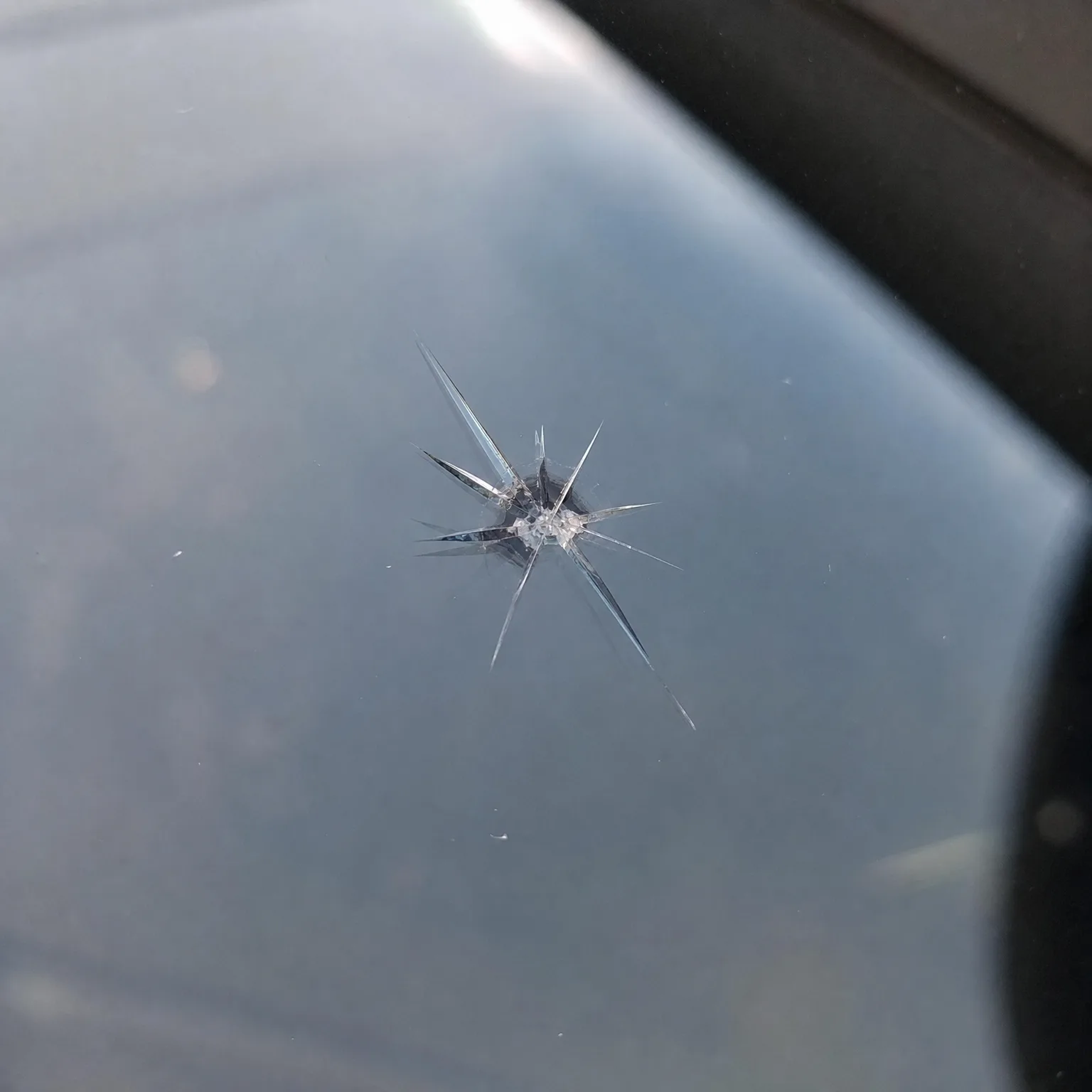
You're doing your usual hour-long drive on the interstate when a rock kicks up off a truck tire ahead and cracks your windshield. There's no truck to chase down and no other driver involved, just a spiderweb crack spreading slowly across your line of sight over the next few days.
You pull up your policy and confirm you have comprehensive coverage with a moderate deductible. You call your insurer, file a claim, and send photos of the crack along with your mileage and the general location on the highway. Because your state treats auto glass separately, the deductible is waived entirely for glass repair. A technician comes to your workplace parking lot to replace the windshield while you're at your desk, and you're back on the road with full visibility by the time you drive home.

Compare quotes now that you know which coverage protects you from debris on your commute.
Will filing a debris damage claim raise my rate?
It can, but less predictably than an at-fault accident, and the answer depends heavily on your insurer and state.
Comprehensive claims are generally viewed as less risky than collision claims because they're not tied to your driving behavior. Debris damage isn't your fault in the way a rear-end collision is. Still, insurers look at your overall claims history, and someone who files frequently, even for small comprehensive claims, can be flagged as a higher-cost customer over time.
If you commute long highway distances daily, you're statistically more exposed to debris than someone driving a few miles to a nearby office. Ask your insurer directly how comprehensive claims factor into renewal pricing in your state, since some have rules limiting how much a single claim can move your rate.
Why debris damage sits in its own category
Insurance splits coverage by cause, not by how much damage occurred. Collision coverage pays when your car hits something or something hits you in a way tied to driving, like another vehicle or a guardrail. Comprehensive coverage pays for everything else that damages your car without a collision in that sense, including weather, animals, and debris flying off the road or off another vehicle.
The logic underneath this split is about fault and control. When you hit something, there's a driving event insurers can analyze. When a rock flies off a truck three cars ahead, there's no driving decision that caused it, so it gets grouped with other random, external risks like hail or a falling tree branch.
This matters more for you than for someone with a short commute because your exposure to highway debris is simply higher. More miles on fast-moving roads means more encounters with gravel, tire fragments, and cargo that's worked loose. A once-a-week errand driver might go years without a debris incident, while someone doing serious highway miles daily runs into it far more often.
Where this gets complicated is when debris damage overlaps with a collision. If you swerve to avoid debris and hit a guardrail instead, that's a collision claim, not comprehensive, even though debris caused the chain of events. Insurers look at the direct cause of the damage, not the backstory, so how the incident unfolded can change which coverage actually applies.
Does comprehensive coverage have its own deductible?
Yes, comprehensive coverage typically carries its own deductible, separate from your collision deductible, and you choose it when setting up your policy. A lower deductible means a higher premium, while a higher deductible lowers your premium but costs you more per claim. Check your declarations page to see your current comprehensive deductible, and reconsider it if you're doing significant highway miles where debris risk is higher than average.
Is a cracked windshield always covered the same way as other debris damage?
Not always, since some states require insurers to offer separate, often lower-cost glass coverage with no deductible. Whether this applies depends entirely on where you live and your specific policy, so ask your insurer directly if a glass endorsement exists in your state. If it does, it can make small windshield repairs essentially free, which matters a lot if you're driving long highway stretches regularly.
Will a rental car be covered while mine is fixed after debris damage?
Only if you added rental reimbursement coverage, since it's not automatic with comprehensive or collision coverage. For a long commute, going without a car even for a few days can be a real problem, so check whether this coverage is on your policy now. If it's missing, ask your insurer what it costs to add, since the gap in coverage is usually a bigger issue for heavy commuters than for occasional drivers.