Winter Commutes and Comprehensive Coverage
Comprehensive coverage protects your car from winter hazards like ice, deer, and falling branches, not crashes with other cars.
Why winter miles change the comprehensive math
Comprehensive coverage pays for damage that isn't a collision with another vehicle. Hitting a deer on a dark rural stretch, a windshield cracked by road debris, a tree limb coming down in a storm, these fall under comprehensive, not collision. The more hours you spend on the road, especially in the early morning or evening dark of winter months, the more exposure you have to these events, even though you're not at fault and nobody else is involved.
This is separate from liability and collision coverage, which handle crashes. A long commute raises your odds of a collision too, but comprehensive is the piece that specifically covers the weather and wildlife side of winter driving. If your commute crosses open country, farmland, or wooded areas, your deer-strike risk alone can justify carrying it, regardless of your car's age.
The case against comprehensive usually comes down to the car's value. If your vehicle is older and worth little, the payout after a deductible might not be worth the premium you'd pay year after year. This is a math problem specific to your car, not your commute, so it's worth running the numbers rather than assuming either way.
State rules and insurer practices vary here. Some states have different standards for what counts as comprehensive versus collision, and insurers differ in how they price it based on where you park overnight and how many miles you log. Check your state's definitions and ask your insurer directly how your commute and parking situation affect this specific coverage.
What to weigh before adding or dropping it
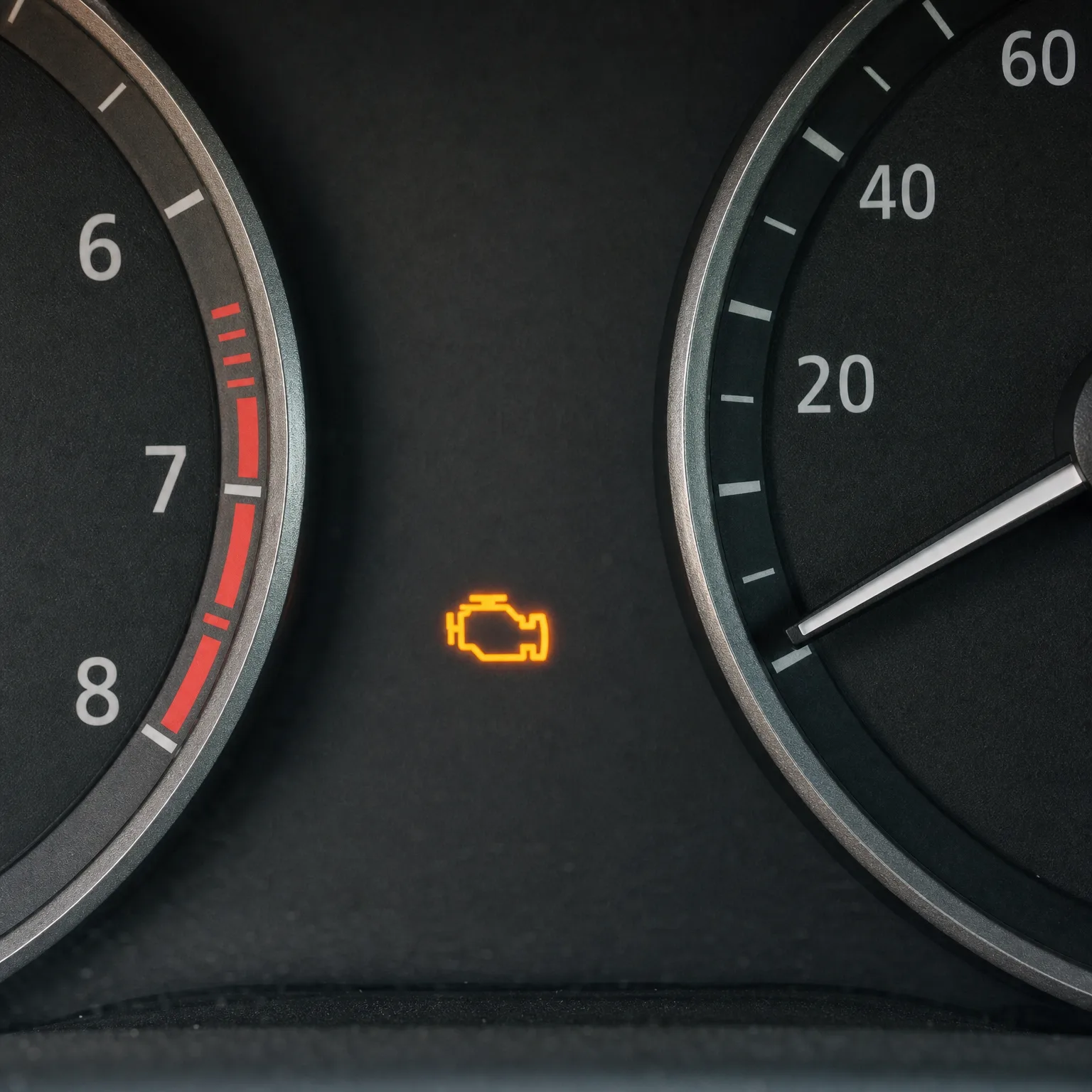
- Your car's current value Look up what your car is worth today, not what you paid. If a replacement would cost little, comprehensive may not pencil out against the premium.
- Wildlife along your route Rural or wooded commute stretches raise collision-with-animal risk substantially. This is a classic comprehensive claim, so factor your actual route in.
- Where you park overnight A garage or covered lot lowers exposure to hail, falling ice, and storm debris. Street parking in open weather raises it, and insurers price this differently.
- Your deductible choice A higher deductible lowers your premium but raises what you pay out of pocket after a claim. Pick a number you could actually afford on a bad week.
- Glass and windshield rules Winter road debris and temperature cracks hit windshields often. Ask whether your state or policy handles glass claims differently, since some waive the deductible.
The real question isn't how much you drive, it's what your specific route exposes your car to.
Once you know whether your route and car justify comprehensive coverage, compare quotes to find the right price for it.
Carrying comprehensive coverage through winter
If you do
Your car is covered if a deer crosses your path, a storm drops a branch on it, or a windshield cracks from road debris. You pay a deductible, but you're not covering a full repair or replacement alone. This matters most if your commute runs through rural, wooded, or exposed stretches.
If you don't
You're protected in a crash with another vehicle but not against weather, animals, theft, or falling objects. A single deer strike or shattered windshield becomes a full out-of-pocket repair bill. This can work if your car is low in value and your route avoids high-risk stretches.
A commute through farm country after dark
A driver commutes forty minutes each way, with the last stretch running past open fields and a tree line, often before sunrise or after sunset in winter. They'd dropped comprehensive years earlier when their car felt disposable, but they'd since kept it running well and didn't want to lose it to something random. They started noticing deer near the roadside more in fall and winter, and a coworker on the same route had hit one the previous year.
They checked their car's current value, found it still worth repairing, and asked their insurer how much comprehensive would add given their listed commute distance and parking at an uncovered employee lot. The added cost was modest next to the repair estimate for deer-strike damage, so they added the coverage with a moderate deductible. Three months later, a deer did step into the road at dusk. The front end was damaged but repairable, and they paid their deductible instead of the full bill. The route didn't change, but what it was likely to cost them if it went wrong did.