Comprehensive vs Collision Insurance Claims
Collision covers hitting something, comprehensive covers almost everything else, and a long commute makes both matter more.

A deer on the highway before sunrise
You're well into a commute that crosses county lines before the sun is up, and a deer steps into the lane. You brake hard but still clip it, and the front end of your car is bent enough that it won't drive. You call it in from the shoulder, and the question the adjuster asks first is whether you struck the animal or swerved and hit something else, because that changes which coverage pays.
In this case it's comprehensive, since contact with an animal falls there even though it feels like a crash. You get a rental authorized the same day because you mentioned the commute and the distance involved, and the shop orders parts that afternoon. The repair takes about a week, during which you drive the rental to work without missing a shift. The claim closes clean, and the only real cost to you is the deductible you'd already planned for, because you knew long highway miles meant animal strikes were a real possibility, not a remote one.
Does a comprehensive claim raise your rate the way a collision claim does?
Often less, but not never. Comprehensive claims are usually treated as less preventable since things like weather, animals, and theft aren't about driver behavior, so many insurers weigh them more lightly when it's time to renew. Collision claims tend to carry more weight because they're tied to how and where you drive, and a long commute already puts more miles in that column.
But this isn't universal, and a pattern of comprehensive claims can still draw attention even if each one alone wouldn't. The honest move is to ask your insurer directly how they weigh each type before you assume either one is "safe." If you're commuting long distances through deer country or hail-prone areas, that answer should factor into which coverage levels you carry, not just which claim you'd rather file.
Now that you know which claim fits which kind of damage, compare quotes with that clarity already in hand.

Carrying both coverages versus dropping one to save money
If you do
You keep collision and comprehensive together, so a deer strike, a cracked windshield from highway debris, or a multi-car pileup on your commute are all covered. You pay for both premiums, but you're not exposed on the highway miles you can't avoid putting on the car.
If you don't
You drop comprehensive to save money, so animal strikes, theft, and weather damage come out of your own pocket entirely. On a long commute through open road or unpredictable weather, that's a real gap, and one bad morning could cost far more than the premium you saved.
Why the split exists and where it gets blurry
The two coverages exist because insurers separate damage by cause, not by how bad it feels in the moment. Collision is built around impact, you hit another car, a guardrail, a pothole that bends a rim. Comprehensive is built around everything that isn't a collision in that sense, weather, animals, fire, theft, vandalism, falling objects. The split lets insurers price risk more precisely, since the odds of hitting a deer have nothing to do with the odds of rear-ending someone in traffic.
For a long commute, both risks go up, just for different reasons. More miles mean more exposure to other drivers, which raises collision risk. More miles, especially through rural stretches or exposed highway, also mean more exposure to animals, debris, and weather, which raises comprehensive risk. That's why commuters often end up needing both coverages more than someone who drives only a short distance each day.
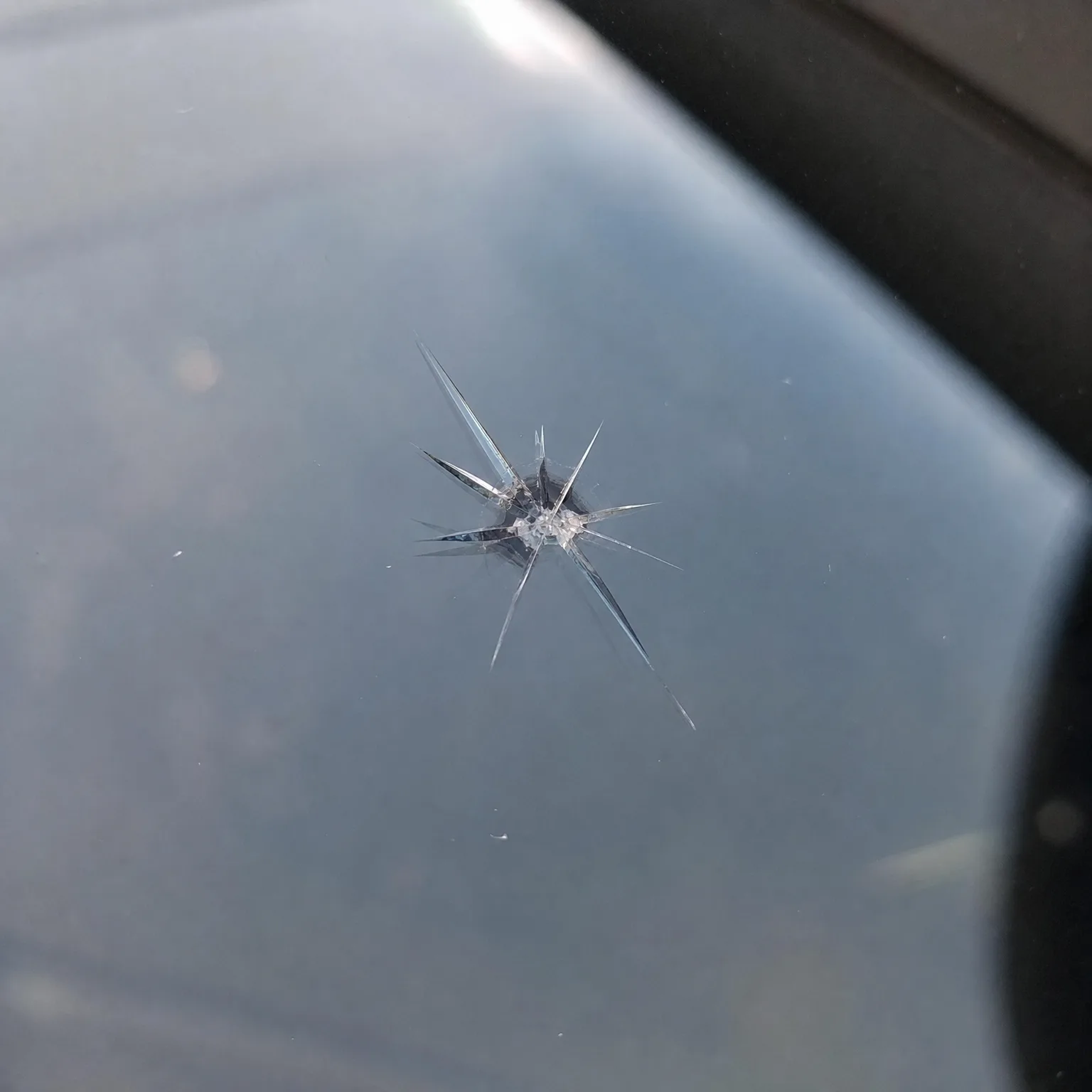
The blurry cases are the ones worth knowing ahead of time. A tree branch falling on a parked car is comprehensive, but swerving to avoid that same branch and hitting a guardrail is collision, even though the branch started it. Hitting a pothole is usually collision, since it's still your car in motion striking something. These edge cases matter most on long drives, where more hours on the road mean more chances to hit one.
What varies is how insurers draw a few of these lines and what deductibles apply to each coverage, since some let you set them separately. Check your policy for how it defines each category, and ask directly about any scenario specific to your drive, like flooding on a low highway stretch or wildlife crossings you pass daily.
Your commute raises your odds of a claim that has nothing to do with your driving at all.