How Bad Is a 30 Mph Crash
A 30 mph crash is fast enough to total a car and hurt people, so your coverage needs to assume real impact, not a fender bender.

What a 30 mph crash actually does to a car and a body
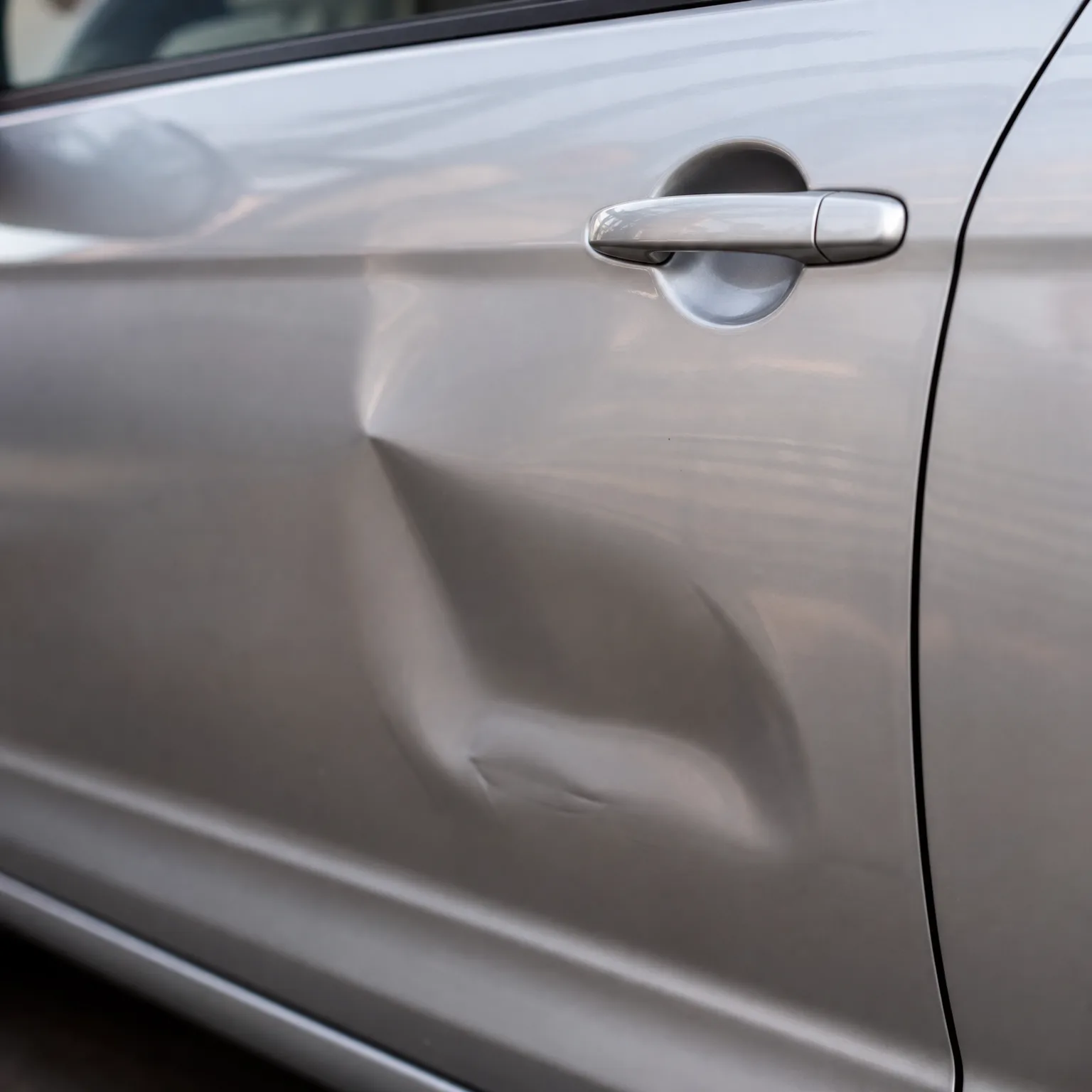
- Structural damage is common At 30 mph, frames and crumple zones absorb real force, and repairs often cost more than the car is worth. Check your comprehensive and collision limits against what your car would actually cost to replace.
- Injuries happen even belted in Whiplash, concussions and broken bones are all common at this speed, even with seatbelts and airbags working correctly. Make sure your medical payments or personal injury protection coverage is enough to matter.
- Commute miles raise your odds More time on the road, especially highway merges and stop and go traffic, means more exposure to this kind of impact. Ask your insurer how your mileage and commute distance factor into your rate.
- Liability limits get tested here A 30 mph crash can total another car or injure another driver, and minimum liability limits often fall short. Raise your limits if your commute puts you in heavier traffic or unfamiliar roads regularly.
- A rental car may be essential If your car is disabled after a crash like this, you may be without transportation for days or weeks during repairs. Add rental reimbursement if missing work because you have no car would hurt you financially.
A driver merging onto the highway at speed
You're merging onto a highway during your commute, moving around 30 mph, when traffic ahead stops suddenly. You brake hard but still clip the car in front. Your airbags deploy and your bumper and radiator are destroyed. You're sore for days, but not seriously hurt. The other driver has minor neck pain and wants it checked out.
Your liability coverage pays for the other driver's car and medical visit. Your collision coverage pays to repair your own car, minus your deductible, and because the damage is extensive, the shop keeps your car for a couple weeks. Your rental reimbursement coverage means you still get to work every day without paying out of pocket for a rental. Afterward, you realize that commuting daily through merge-heavy traffic was exactly the kind of exposure your policy needed to be ready for, and now it was.
Now that you know what a 30 mph crash really costs, compare quotes that match coverage to your actual commute.

Whether you raise your limits before a crash like this happens
If you do
You raise liability, add rental reimbursement, and confirm your collision limit matches your car's value. A 30 mph crash becomes a stressful event you can resolve. Your car gets fixed or replaced, you get to work in a rental, and the other driver's costs are covered without touching your savings.
If you don't
Your state minimum liability may not cover an injured driver's medical bills after a crash like this, leaving you responsible for the rest. No rental coverage means missed workdays or an unplanned rental bill while your car sits in the shop. A survivable crash becomes a financial setback instead.
Is a 30 mph crash considered a high speed accident?
No, but it's fast enough to cause serious injury and totaled vehicles, so insurers don't treat it as minor. Thirty mph sits in a range where crumple zones engage fully and airbags deploy, meaning repair costs and injury claims both tend to run high. What changes the picture is the angle of impact and whether it's a head on or side collision, since those are more dangerous than a rear end at the same speed.
Will my insurance rate go up after a 30 mph crash?
Likely yes, if the crash was your fault and resulted in a claim paid out by your insurer. The size of the increase depends on your insurer's rules, your claims history, and sometimes your state's regulations on how long an accident affects your rate. Check with your insurer about accident forgiveness or how long the increase typically lasts before deciding how to handle a claim.
Should I still report a 30 mph crash if no one seems hurt?
Yes, because injuries like whiplash or concussions often appear hours or days later, after adrenaline wears off. Reporting it also protects you if the other driver later claims injury or additional damage you didn't notice at the scene. Check your policy and your state's rules on reporting requirements, since some require a police report above a certain damage threshold.
Your coverage should be built for the crash your commute makes likely, not the fender bender you hope for.